Why Most Scrap Car Prices Feel Like a Gut Punch — And How to Avoid It
You call a salvage yard. They quote you $150 for your dead half-ton. You take it because you don't know if that's fair — and they know you don't know. That's the old way of selling scrap vehicles, and it's been working against Saskatchewan sellers for decades. Whether you're clearing a rusted-out combine from a farmyard south of Regina or hauling off three junk cars sitting behind your shop, you deserve to know what your metal is actually worth before you agree to anything.
This article breaks down how fair scrap pricing actually works, what drives the value of a scrap car or farm equipment load, and how platforms like SMASH are changing the game for sellers across Saskatchewan — including rural and agricultural operators who've long been underserved by the standard phone-and-guess model.
What Determines the Value of a Scrap Car or Farm Equipment Load?
Scrap vehicle pricing isn't random — it's driven by a set of real variables that any honest buyer will consider. Understanding these factors puts you in a better negotiating position before anyone shows up with a flatbed.
The biggest driver is weight. Scrap steel is priced per ton, so heavier vehicles and equipment fetch more. A full-size pickup or SUV runs roughly 1.5 to 2 tons of steel once fluids are drained. A grain bin or a decommissioned combine can move several tons at once. Beyond raw weight, buyers also look at:
- Metal composition — Is the load mostly ferrous (iron and steel), or does it include aluminum, copper, or brass? Non-ferrous content bumps the value significantly.
- Condition and accessibility — A vehicle that rolls onto a flatbed is easier to handle than one sitting axle-deep in a field. Accessibility affects pickup logistics and may factor into the net offer.
- High-value components — Catalytic converters, copper wiring, aluminum wheels, and intact engines all carry separate recovery value that a good buyer will account for.
- Volume — Larger loads — multiple vehicles, a full farm cleanup, a commercial site with bulk scrap — are more attractive to buyers and justify the haul.
- Current scrap metal prices — Market rates shift with global demand, steel production cycles, and commodity trading. What scrap is worth today may differ from last month.
If a buyer won't explain how they're calculating your quote, that's a red flag. Fair pricing is transparent pricing. You should be able to follow the math, even if the final number still surprises you.
Farm Scrap Pick Up Regina and Rural Saskatchewan — The Load Types That Matter Most
Farms and rural properties across Saskatchewan accumulate scrap differently than urban addresses. You're not dealing with one old Civic in the driveway. You're dealing with decades of equipment — old swathers, broken augers, pressure vessels, field trucks that haven't moved since the late 2000s, grain bins that outlived their purpose, and steel fencing piled at the back of the quarter section.
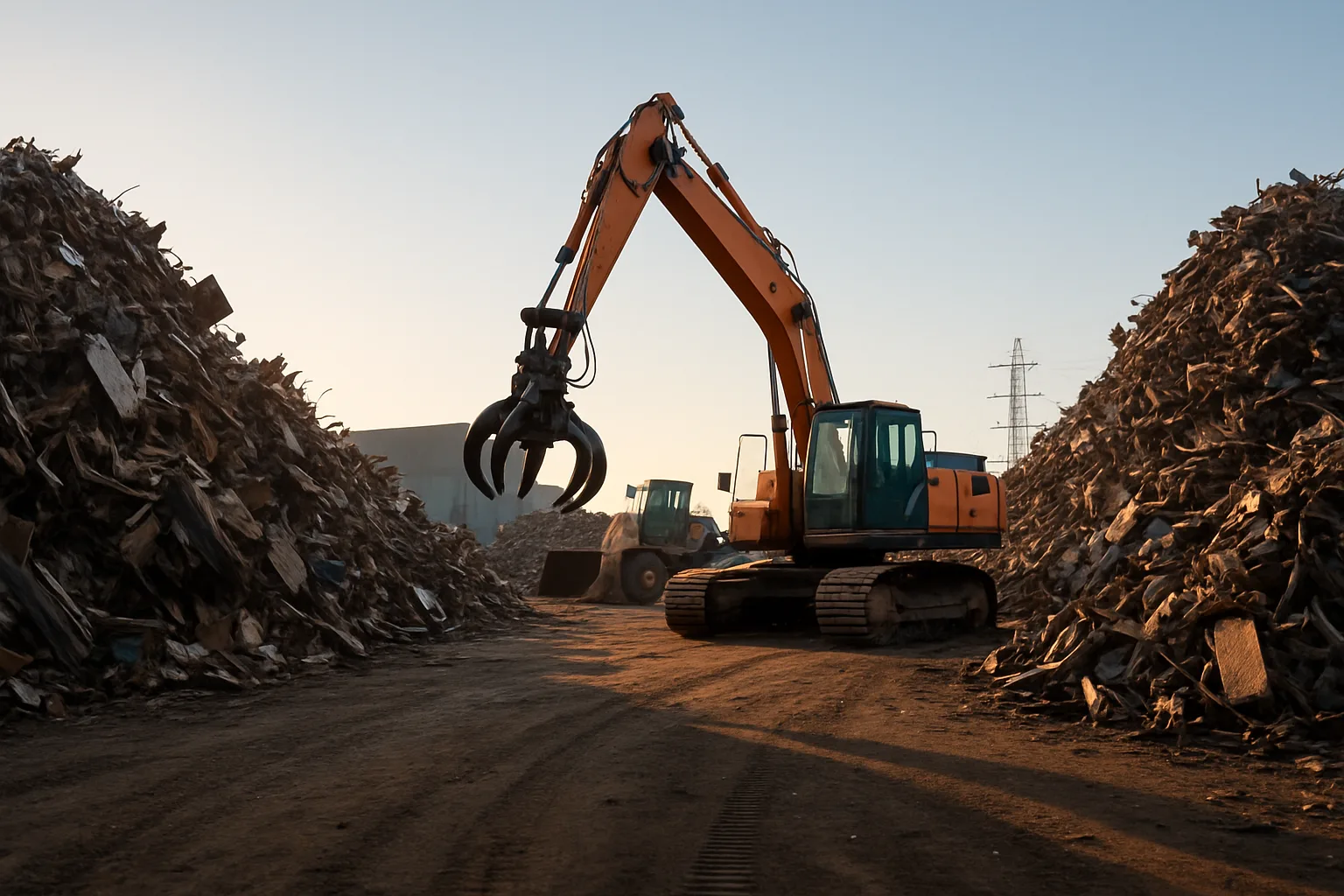
For Regina scrap metal services and the surrounding rural regions, farm scrap pick up is one of the most common and highest-volume service requests we handle. A single farm cleanup can yield anywhere from five to fifty-plus tons of mixed ferrous and non-ferrous material. That's not a trip for a half-ton truck — it's a job that requires the right equipment, a driver who knows how to navigate rural access roads, and a buyer who has actually priced bulk loads before.
Qualifying farm loads typically include:
- Combines, swathers, and tillage equipment
- Steel and aluminum grain bins (dismantled or intact)
- Field trucks, trailers, and skid-steer frames
- Oil field pipe, tanks, and pressure vessels
- Old fencing wire, corrugated steel, and farm infrastructure
- Electrical cable, copper pipe, and non-ferrous from on-farm shops
For loads like these, scrap metal pick up across Saskatchewan is available at no charge for qualifying volumes. Small individual items or single-appliance pickups are a different story — if you've got one old fridge, a drop-off may be more practical than a scheduled farm route.
How SMASH Fair Pricing Works — No Guesswork, No Single-Buyer Lock-In
Here's the core problem with the traditional scrap car model: one call, one offer, take it or leave it. The buyer has every incentive to low-ball because you have no competing bids to push back with. You're not negotiating — you're accepting.
SMASH changes the structure of that conversation entirely. Instead of a single buyer deciding what your load is worth, vetted buyers compete for your material. That competition is what drives price discovery. It's not magic — it's just how markets are supposed to work when they're not rigged toward the buyer.
When you list your scrap for pickup on SMASH Recycling, your load gets documented properly: photos, weights, metal types, vehicle VINs, serial numbers where applicable. That documentation gives buyers real information to bid on, instead of a vague phone description that leaves room for lowball interpretation. More information, more buyer confidence. More buyer confidence, better price discovery.
A few things worth understanding about how this works in practice:
- No subscription fees. SMASH doesn't charge you a monthly fee to use the platform. We only win when you sell.
- Vetted buyers only. You're not dealing with unknown one-time callers. Buyers on SMASH are verified, which means less risk of no-shows and lowball last-minute renegotiations at pickup.
- Transparent process. You see the auction activity. You know what's happening with your load, not just the final number.
- Auto-invoicing and documentation. Once a sale closes, the paperwork follows automatically — no chasing down BOLs or handwritten receipts.
To be direct: we can't promise every load sells or that competition will always produce a number you're happy with. What we can tell you is that more buyers means better price discovery, and documented inventory gives buyers more confidence to bid competitively. That's the honest version of fair pricing.
Scrap Car Pick Up Regina — What to Expect from the Process
If you've got a junk vehicle sitting on your property in or around Regina, here's the straightforward version of what happens when you work with us.
First, you tell us what you've got. Make, model, year, approximate condition, location, and whether the vehicle is accessible. If you've got multiple vehicles or additional scrap on the same property — steel, non-ferrous, equipment — mention that too. Bulk loads move faster and attract stronger bids than single items in isolation.
From there, your load gets listed, documented, and put in front of buyers. Depending on your location and load type, pickup logistics get coordinated after the auction closes. For Regina and surrounding areas, turnaround is generally faster than for remote rural locations — though we do run rural and farm routes across Saskatchewan, including areas well outside city limits.
A few things that help your pickup go smoothly:
- Have the vehicle accessible — off a soft field, out of a snow bank, clear of other obstacles
- Remove personal belongings before pickup (we won't sort through a vehicle's interior)
- If you have the title or registration, have it ready — some buyers require documentation
- Drain or disclose fluids where possible, especially oil and coolant
- Let us know about any hazardous materials like asbestos-containing components on older farm equipment
We do not enter private homes. Items need to be outside, in a garage with open access, or otherwise staged for pickup. That includes farm buildings — doors open, path clear, and we're good.
Scrap Metal Prices Today — Why Timing and Market Context Matter
Scrap metal prices are not fixed. They move with global steel demand, copper commodity trading, currency shifts, and seasonal recycling volumes. What you read in one article about scrap car values may be outdated by the time you're ready to sell. That's not a reason to delay indefinitely — but it is a reason to check current rates rather than relying on a number you heard from a neighbor two years ago.
As of mid-2026, ferrous scrap (the primary metal in most vehicles and farm equipment) continues to track with broader steel market conditions, which are influenced by manufacturing demand and trade patterns across North America. Non-ferrous metals — copper, aluminum, brass — tend to hold value more consistently but also respond to supply and demand shifts. If your load includes significant copper content, whether from electrical wiring, HVAC components, or copper pipe from a trade job, that material carries premium value and should be identified separately in any listing.
Disclaimer: Scrap metal prices fluctuate daily based on market conditions. Always confirm current rates before finalizing a sale. The figures and ranges mentioned here are for general educational context only and are not price guarantees.
The best hedge against timing uncertainty is volume and documentation. A well-documented load with verified metal types and weights gives buyers more to work with — and that tends to produce more competitive bids regardless of where the market sits on any given week. Read scrap metal pick up guides for Saskatchewan for more detail on how metal type and load documentation affect your final return.
Ready to Clear Your Property? Here's How to Get Started
If you've got scrap vehicles, old farm equipment, or bulk ferrous and non-ferrous material sitting on your property in Regina or anywhere across Saskatchewan, the first step is simple: tell us what you've got. The more detail you provide — number of vehicles, types of equipment, approximate weights, non-ferrous content — the faster we can match your load with buyers who are ready to bid.
Whether you're a farmer running a full yard cleanup before seeding, a tradesperson with a truck full of copper wire from a commercial job, or a homeowner with three clunkers taking up space, the process works the same way. Document it, list it, let buyers compete for it.
Scrap metal pick up across Saskatchewan for qualifying loads — free pick up where volumes make the route work. Trades welcome, and we pay top dollar for copper-bearing products. If you're ready to schedule your scrap metal pick up in Saskatchewan, call 1-855-SMASH-74 or visit scrap-metal-pick-up.com to get started. Don't leave money sitting in a field — or a driveway.
Follow SMASH on LinkedIn at linkedin.com/company/scrap-metal-auction-sales-hub for scrap metal market updates, industry news, and tips on getting the most from your loads across North America.
Frequently Asked Questions
Q: How does farm scrap pick up in Regina actually work for large equipment?
For large farm equipment loads near Regina, we coordinate a site visit or detailed photo documentation first. Your load gets listed on SMASH with specs and photos so vetted buyers can bid accurately. Once the auction closes, pickup is scheduled based on your location and accessibility — rural routes run regularly across the region.
Q: Is scrap car pick up in Regina really free?
Free pickup applies to qualifying loads — typically multiple vehicles, bulk farm scrap, or commercial volumes of non-ferrous material. A single vehicle may qualify depending on location and metal content, but a small or single-item load may carry a pickup fee or be better suited to a drop-off. Contact us and we'll give you a straight answer based on your specific situation.
Q: What are scrap metal prices today for vehicles in Saskatchewan?
Scrap vehicle pricing is based on weight, metal composition, and current market rates for ferrous and non-ferrous metals — all of which fluctuate. Rather than publishing a fixed price, we recommend listing your load on SMASH so buyers can bid based on real, current conditions. That competition is what produces an honest market price.
Q: Do you pick up scrap vehicles and equipment in rural Saskatchewan, not just Regina?
Yes. We run rural routes across Saskatchewan, including farm pickups well outside city limits. Qualifying loads in remote locations typically need to meet a minimum volume threshold to make the haul worthwhile — bulk farm cleanups, multiple vehicles, or large equipment loads are ideal. Tell us your location and what you've got and we'll work out the logistics.
Q: What non-ferrous metals do you pay top dollar for?
Copper wire, copper pipe, aluminum, brass fittings, and stainless steel all carry premium value over standard ferrous scrap. If you're a tradesperson — electrician, plumber, HVAC tech — with copper-bearing material from a commercial job, that's exactly the kind of load we want to hear about. Identify your non-ferrous content separately when you list and buyers will factor it into their bids.