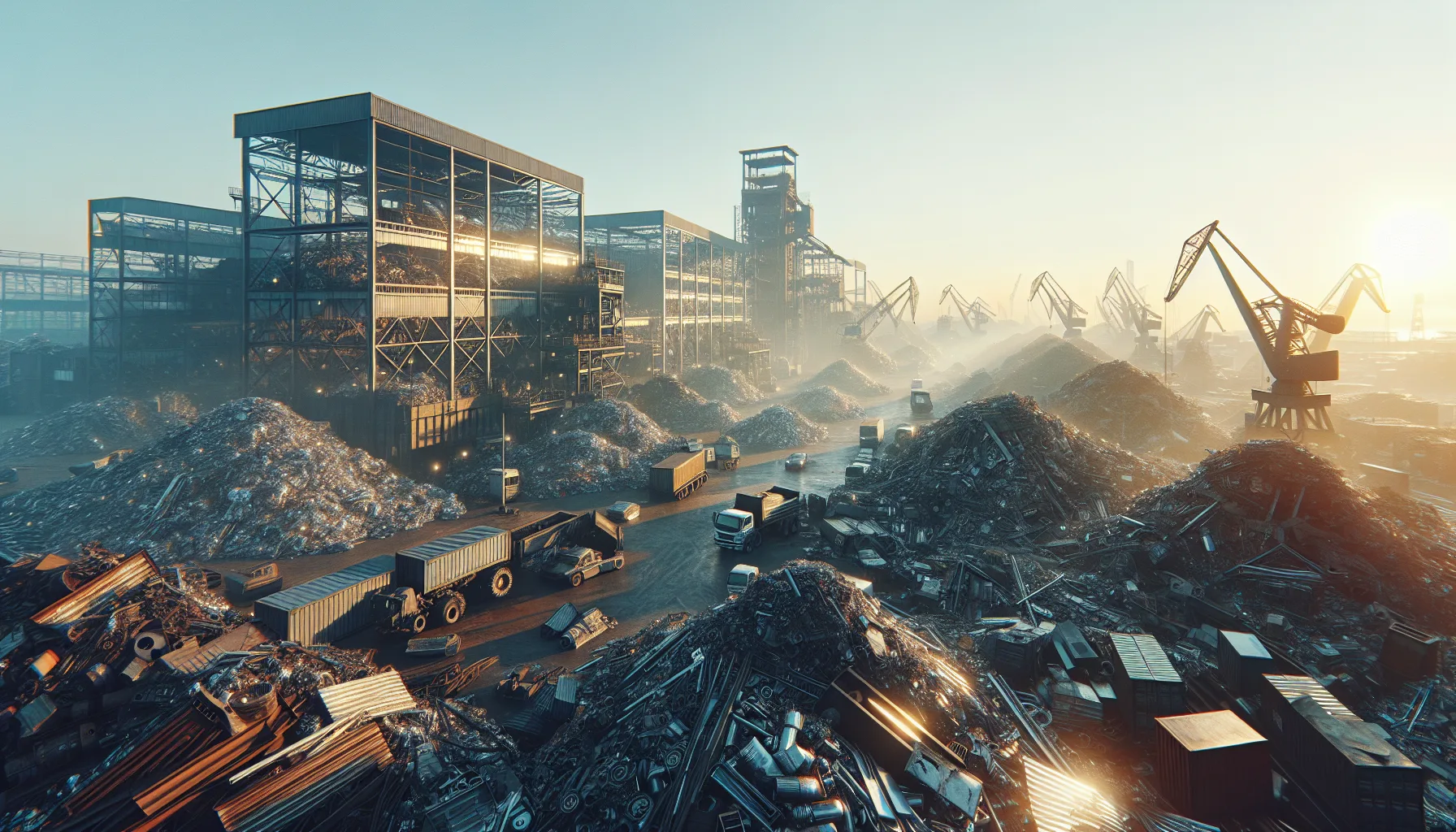
Saskatchewan farms and acreages hold hidden treasures worth thousands of dollars in scrap metal value. From copper wiring in old grain bins to aluminum irrigation pipes scattered across fields, rural properties accumulate high-value metals over decades of agricultural operations. Understanding which metals command top dollar helps landowners maximize returns while clearing valuable space. Free scrap metal pick up Regina services like SMASH make it easier than ever to convert these dormant assets into cash.
The agricultural landscape of 2026 presents unique opportunities for scrap metal recovery. Rising commodity prices and increased demand for recycled materials have elevated the value of farm scrap significantly. Many Saskatchewan property owners sit on thousands of dollars in recoverable metals without realizing their potential worth.
Copper: The Crown Jewel of Farm Scrap
Copper remains the most valuable scrap metal found on Saskatchewan farms and acreages. This reddish-brown metal commands premium prices due to its excellent conductivity and corrosion resistance. Farms typically accumulate copper through electrical systems, water lines, and equipment repairs over the years.
Common copper sources include wiring from old grain dryers, electrical panels from decommissioned buildings, and plumbing from farmhouses and outbuildings. Copper pipe from livestock watering systems and irrigation setups represents significant value. Even small amounts of clean copper wire can generate substantial returns.
Copper-bearing materials require careful identification. Pure copper wire stripped of insulation brings top dollar, while copper pipe and fittings also command excellent prices. Equipment like old motors and transformers contain copper windings worth extracting. SMASH pays premium rates for copper-bearing products, making scrap metal pick up across Saskatchewan particularly profitable for copper-rich loads.
Agricultural operations in Regina and surrounding areas often overlook copper stored in machinery graveyards or equipment sheds. Identifying and segregating copper materials before pickup maximizes value and ensures landowners receive fair compensation for their high-grade metals.
Aluminum: Lightweight Value from Farm Infrastructure
Aluminum ranks second in value among farm scrap metals. This lightweight, corrosion-resistant material appears throughout agricultural operations in various forms. Saskatchewan farms accumulate aluminum through irrigation systems, grain storage, and building materials over decades.
Irrigation pipes represent the most common aluminum source on prairie farms. These pipes often lie forgotten in fence rows or equipment yards after system upgrades or field changes. Aluminum siding from older farm buildings, particularly Quonset huts and storage sheds, contains significant recoverable value.
Other aluminum sources include grain bin roofing, ventilation systems, and old combines with aluminum components. Even storm doors and windows from farmhouses contribute to aluminum inventory. The key advantage of aluminum lies in its weight-to-value ratio – relatively light loads generate substantial returns.
Proper preparation increases aluminum value. Removing steel attachments and separating different aluminum grades helps maximize pricing. Clean aluminum sheet and pipe command higher prices than mixed grades. Read scrap metal pick up guides for Saskatchewan to learn proper sorting techniques for aluminum materials.
Stainless Steel: Hidden Value in Agricultural Equipment
Stainless steel often hides in plain sight on Saskatchewan farms. This corrosion-resistant alloy appears in dairy equipment, grain handling systems, and specialized machinery. While less common than other metals, stainless steel commands excellent prices due to its specialized applications.
Dairy operations represent the richest source of stainless steel scrap. Milk tanks, pipeline systems, and processing equipment contain significant quantities of high-grade stainless steel. Even farms that discontinued dairy operations decades ago may have forgotten stainless components in storage buildings.
Grain handling equipment also contains stainless steel elements. Auger components, elevator buckets, and storage bin accessories often use stainless alloys for durability. Food processing operations and commercial kitchens on large farms contribute additional stainless steel inventory.
Identification requires careful inspection. Stainless steel doesn't rust like regular steel and often has a distinctive bright, clean appearance. Magnetic testing helps distinguish stainless from regular steel – true stainless steel is non-magnetic or weakly magnetic.
Cast Iron and Steel: Volume Leaders in Farm Scrap
While copper and aluminum command premium prices, cast iron and steel provide volume value on Saskatchewan farms. These ferrous metals accumulate in massive quantities through equipment, structural materials, and implements. The sheer volume often compensates for lower per-pound pricing.
Old tractors, combines, and implements represent the largest single sources of ferrous scrap. A single vintage combine can yield several tons of recoverable steel and cast iron. Equipment graveyards common on prairie farms often contain dozens of machines worth thousands of dollars in scrap value.
Structural steel from buildings, grain bins, and storage facilities adds significant tonnage. Fence posts, gates, and corrals contribute additional ferrous materials. Even seemingly worthless items like old fuel tanks and machinery parts have value when accumulated in sufficient quantities.
The key to maximizing ferrous metal value lies in volume and accessibility. Get your scrap picked up free through SMASH Recycling for qualifying loads that meet minimum tonnage requirements. Large cleanups combining multiple metal types often qualify for free pickup services.
Maximizing Value Through Proper Inventory Management
Effective scrap metal inventory management transforms scattered materials into valuable assets. Saskatchewan farms benefit from systematic approaches to identifying, sorting, and preparing metals for pickup. Proper organization increases overall value and streamlines the pickup process.
Start with a comprehensive property survey. Walk buildings, equipment yards, and fence rows to identify metal accumulations. Document locations and approximate quantities to plan efficient pickup routes. Many Regina area farms discover thousands of dollars in overlooked materials through systematic surveys.
Segregation improves pricing significantly. Separate non-ferrous metals (copper, aluminum, stainless steel) from ferrous materials (steel, cast iron). Clean metals command higher prices than contaminated materials. Remove non-metal attachments where practical to increase value.
Weather protection preserves value over time. Store metals in dry locations to prevent excessive rust and corrosion. Cover outdoor piles with tarps or move materials to buildings when possible. Clean, well-preserved metals generate better returns than heavily corroded materials.
Consider timing for maximum value. Market prices fluctuate based on global demand and economic conditions. Accumulating larger quantities allows for strategic timing of sales during favorable market periods.
Frequently Asked Questions
Q: What qualifies for free scrap metal pick up Regina services?
Free pickup typically requires qualifying loads with sufficient volume or value. Bulk farm cleanups, multiple vehicles, and significant quantities of non-ferrous metals often qualify. Single small items may incur pickup fees, making drop-off a better option for minimal quantities.
Q: How do I identify valuable metals on my Saskatchewan farm?
Copper appears reddish-brown and doesn't rust. Aluminum is lightweight and silver-colored. Stainless steel stays bright and clean without rusting. Use a magnet – copper and aluminum are non-magnetic, while stainless steel is weakly magnetic or non-magnetic depending on grade.
Q: Can old farm equipment be picked up for scrap metal recycling?
Yes, old tractors, combines, and implements represent excellent scrap value. Large equipment often qualifies for free pickup due to high tonnage. Equipment should be drained of fluids and accessible for loading equipment.
Q: What preparation is required for scrap metal pickup?
Materials must be outside or in accessible locations like garages or sheds. Separate different metal types when possible. Remove non-metal attachments to increase value. Ensure pickup areas are accessible for trucks and loading equipment.
Q: Do you pay premium prices for copper from electrical work?
Absolutely. SMASH pays top dollar for copper-bearing products from electrical, plumbing, and HVAC trades. Clean copper wire, pipe, and fittings command premium pricing, making trade cleanups particularly valuable.
Saskatchewan farms and acreages contain tremendous untapped value in scrap metal resources. From copper wiring in grain systems to aluminum irrigation pipes and vintage farm equipment, these materials represent significant financial opportunities. Proper identification, sorting, and inventory management maximize returns while clearing valuable space for productive use. Whether you're managing a large commercial operation near Regina or clearing decades of accumulation from a family farm, professional pickup services make the process efficient and profitable. Scrap metal pick up across Saskatchewan for qualifying loads. Trades welcome — top dollar for copper — call 1-855-SMASH-74 or visit scrap-metal-pick-up.com.
Stay connected with industry updates and market insights by following SMASH on LinkedIn: https://www.linkedin.com/company/scrap-metal-auction-sales-hub