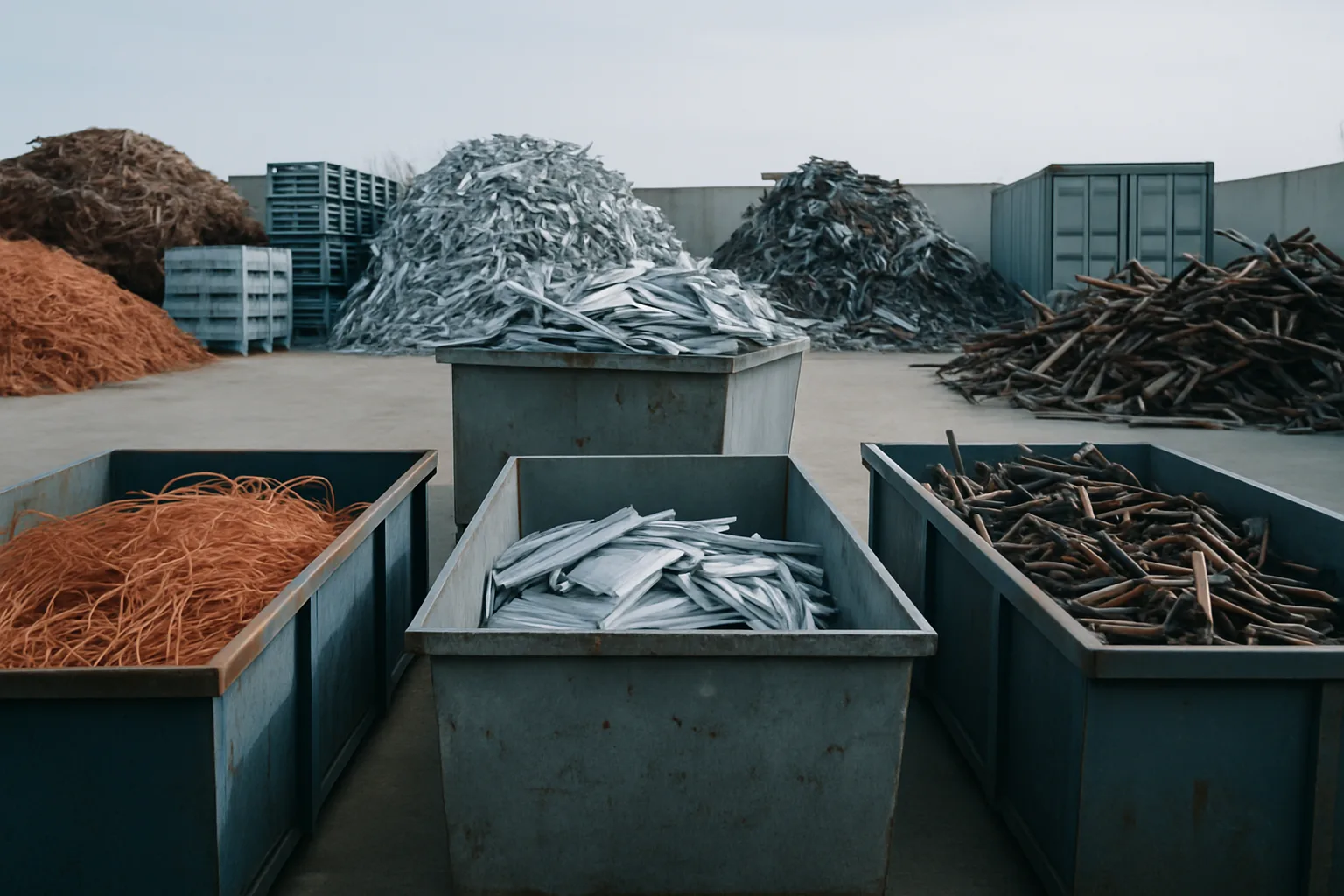
How a Regina Electrical Contractor Turned Scrap Wire Into a Revenue Stream
Most contractors treat scrap metal like a disposal problem. Copper wire offcuts, aluminum conduit, old panels — it piles up fast on a busy job site. One Regina electrical contractor was hauling three trailer loads of copper-bearing scrap to the landfill every quarter. Not selling it. Paying to dump it. That stopped the moment they connected with a bulk scrap pick up operation built for commercial volumes.
This is a case study about what happens when a Saskatchewan business stops treating scrap as a liability and starts treating it as inventory. The numbers shift. The workflow changes. And the end-of-job cleanup gets a lot simpler.
The Problem: Scrap Piles Up Faster Than Anyone Plans For
Commercial electrical work generates serious non-ferrous volume. A mid-sized renovation project — say, rewiring an older Regina office building — can produce hundreds of pounds of copper wire, aluminum buss bar, and mixed cable. That's before you factor in the steel junction boxes, conduit offcuts, and panel housings.
The old approach looked like this: bag it, stack it, haul it yourself when the pile got unmanageable. That's unpaid labour. Every hour your crew spends loading scrap is an hour they're not billing. And if you're paying landfill tipping fees on top of that, you've turned a revenue opportunity into a double cost.
This particular Regina contractor had three field crews running simultaneously across multiple sites. Scrap accumulation wasn't a small inconvenience — it was a logistics headache that consumed real time and real money every single month. They needed a bulk pick up solution that could handle commercial volumes without requiring their guys to stop productive work.
What Bulk Scrap Pick Up for Saskatchewan Contractors Actually Looks Like
Not every pick up situation is the same. A single appliance on a curb is different from a contractor yard stacked with copper wire, aluminum, and mixed ferrous scrap. Bulk commercial pick up is designed for the latter — and it's where scrap metal pick up across Saskatchewan makes the most economic sense for both parties.
Here's what a typical commercial bulk pick up looks like in practice:
- Contact and volume assessment: You describe what you have — approximate weight, metal types, location, and accessibility. Copper wire and non-ferrous metals get flagged immediately for premium pricing.
- Scheduling: A pick up window gets confirmed. Commercial volumes and trade quantities typically qualify for free pick up for qualifying loads — no haul fee eating into your return.
- On-site loading: The crew handles the heavy lifting. Items need to be outside, in a yard, or accessible in a garage or shop — we do not enter private homes or occupied structures.
- Weighing and payment: Mixed loads get sorted and weighed. Non-ferrous metals like copper wire, copper pipe, and aluminum command significantly higher rates than steel or iron.
For this Regina contractor, that process replaced a quarterly landfill run with a scheduled commercial pick up. Their scrap stopped being waste and started being accounted for — organized, weighed, and paid out. That's a fundamentally different relationship with your job site byproduct.
Why Non-Ferrous Metals Change the Math Completely
Not all scrap is created equal. Steel and iron prices fluctuate, but they're measured in dollars per hundred pounds. Copper is measured in dollars per pound — and that gap matters enormously when you're talking about trade volumes.
An electrician finishing a large commercial rewire might have:
- Bare bright copper wire (the highest grade — clean, uncoated)
- #1 copper (clean pipe, wire with minimal insulation)
- #2 copper (mixed, painted, or lightly contaminated copper)
- Insulated copper wire (value varies by insulation thickness and copper content)
- Aluminum wiring or conduit
- Brass fittings from plumbing rough-ins
Knowing the difference between those grades — and presenting them sorted rather than mixed — directly affects your payout. Platforms like SMASH Recycling — connecting you with trusted Canadian recyclers are built around price transparency and documented inventory, which means you're not guessing what your load is worth. You're working with real market data and vetted buyers who compete for your material.
The Regina contractor in this story started separating their copper grades on-site before pick up. That one operational change — a few minutes of sorting at the end of each job — noticeably increased their per-load return. They were already doing the work. They just weren't getting paid for the quality they were delivering.
Scaling This Model: From One Contractor to a Full Trade Operation
Once the system works for one crew, scaling it to a full trade operation is straightforward. SMASH helped this contractor set up a standing arrangement for scheduled bulk pick ups tied to their project pipeline. When a major job wraps, pick up is already on the calendar.
That kind of predictability matters for operations running multiple crews across scrap metal pick up across Saskatchewan. Rural sites and oil field locations are part of that reach — not just the city core. Saskatchewan's geography means a lot of commercial work happens outside Regina's boundaries, and bulk pick up routes cover those areas for qualifying loads.
Other trade contractors following this model include:
- Plumbers: Copper pipe, brass fittings, and bronze valves from renovation and replacement work add up fast. A single kitchen and bathroom gut job can produce 40–80 lbs of mixed copper and brass.
- HVAC technicians: Aluminum coils, copper refrigerant lines, and steel equipment housings are all recoverable. Old units pulled from a commercial building can represent significant non-ferrous weight.
- General contractors: Steel rebar, structural steel offcuts, and aluminum framing from commercial builds are all viable bulk scrap material.
- Oil field operators: Pipe, valve bodies, instrumentation scrap, and mixed ferrous equipment — the volumes on an oil field site can be substantial.
Each of these operations has the same basic challenge: scrap accumulates, it has value, and recovering that value requires a logistics partner who shows up on time, handles bulk volumes, and pays fair market rates. That's exactly what structured bulk pick up is designed to solve.
Selling Scrap Metal Online: How Documentation Makes a Difference
One thing the Regina contractor didn't expect: how much photo documentation and inventory tracking would improve their experience. When you sell scrap metal online through a platform that uses documented inventory — photos, weights, metal grades, serial tracking where applicable — buyers have more confidence in what they're bidding on.
More buyer confidence means better price discovery. It's not a guarantee of a higher price, but competition among vetted buyers tends to reveal what the market is actually willing to pay — rather than what one buyer on the phone decides to offer you.
That's the difference between the old way and the SMASH way. The old way: one call, one offer, take it or leave it. The SMASH way: documented load, competitive format, transparent outcome. You can read scrap metal pick up guides for Saskatchewan to understand how different metals are graded and what buyers look for — that knowledge directly affects your return.
For a contractor running high volumes of copper-bearing scrap, that transparency isn't just nice to have. It's the difference between leaving money on the table and actually capturing the value in the material your crew is already generating.
What This Means for Your Business in 2026
Metal markets in 2026 have maintained demand for copper, aluminum, and other non-ferrous materials, driven by electrical infrastructure builds, grid upgrades, and ongoing construction activity across the province. That demand creates a real opportunity for trade contractors who generate non-ferrous scrap consistently.
If you're a Regina-based contractor and you're not recovering value from your copper-bearing scrap, you're leaving a consistent revenue stream on the table. The volume is already there. The work is already being done. The only missing piece is a pick up and sales system that works at your scale.
Businesses and tradespeople looking for Regina scrap metal services have access to bulk pick up for qualifying commercial loads — no subscription fees, no complicated process. If you have volume, the math works in your favour. And if you're ready to schedule your scrap metal pick up in Saskatchewan, the first step is a simple call or message to confirm your load qualifies.
Scrap metal pick up across Saskatchewan for qualifying loads. Trades welcome — top dollar for copper — because your job site waste shouldn't cost you twice. Call 1-855-SMASH-74 or visit scrap-metal-pick-up.com to get started.
Frequently Asked Questions
Q: Is scrap metal pick up in Regina really free for contractors?
Free pick up applies to qualifying loads — typically bulk commercial volumes, trade quantities of copper or non-ferrous metals, multiple vehicles, or large-scale site cleanouts. Small single-item loads may involve a pick up fee. If you're unsure whether your load qualifies, a quick call to 1-855-SMASH-74 gets you a straight answer fast.
Q: What types of scrap metal do you accept from Regina businesses and contractors?
We accept a wide range of materials including copper wire, copper pipe, brass fittings, aluminum conduit and coils, steel scrap, and mixed ferrous and non-ferrous loads. Trade contractors — electricians, plumbers, HVAC techs — generate some of the highest-value scrap because of the copper content in their job site offcuts. Non-ferrous metals always command premium rates over steel and iron.
Q: How do I know I'm getting a fair price for my scrap metal in Regina?
Documented inventory, photo records, and competitive buyer formats are the tools that drive fair price discovery. Rather than relying on a single buyer's offer, platforms like SMASH use vetted buyers and transparent processes so you understand what your load is actually worth to the market — not just to one phone call. Prices fluctuate with commodity markets, so check current rates before booking your pick up.
Q: Can you pick up scrap metal from rural Saskatchewan locations outside Regina?
Yes. Pick up routes cover rural Saskatchewan including farms, oil field sites, and remote locations for qualifying loads. Farm equipment, grain bins, old vehicles, and bulk ferrous scrap are all within scope. The key qualifier is volume — bulk loads make rural pick up viable and cost-effective for both parties. Call ahead to confirm your location and load qualifies.
Q: Do I need to sort my scrap metal before pick up?
Sorting is not mandatory, but it helps. Separated copper grades — bare bright, #1, #2, insulated wire — typically return more than a mixed unsorted load, because buyers can price each grade accurately. Even a basic sort on-site takes minutes but can meaningfully affect your payout. We'll work with mixed loads, but coming in organized puts more money in your pocket.
Follow SMASH on LinkedIn for scrap metal market insights, industry updates, and tips for getting the most from your non-ferrous scrap.