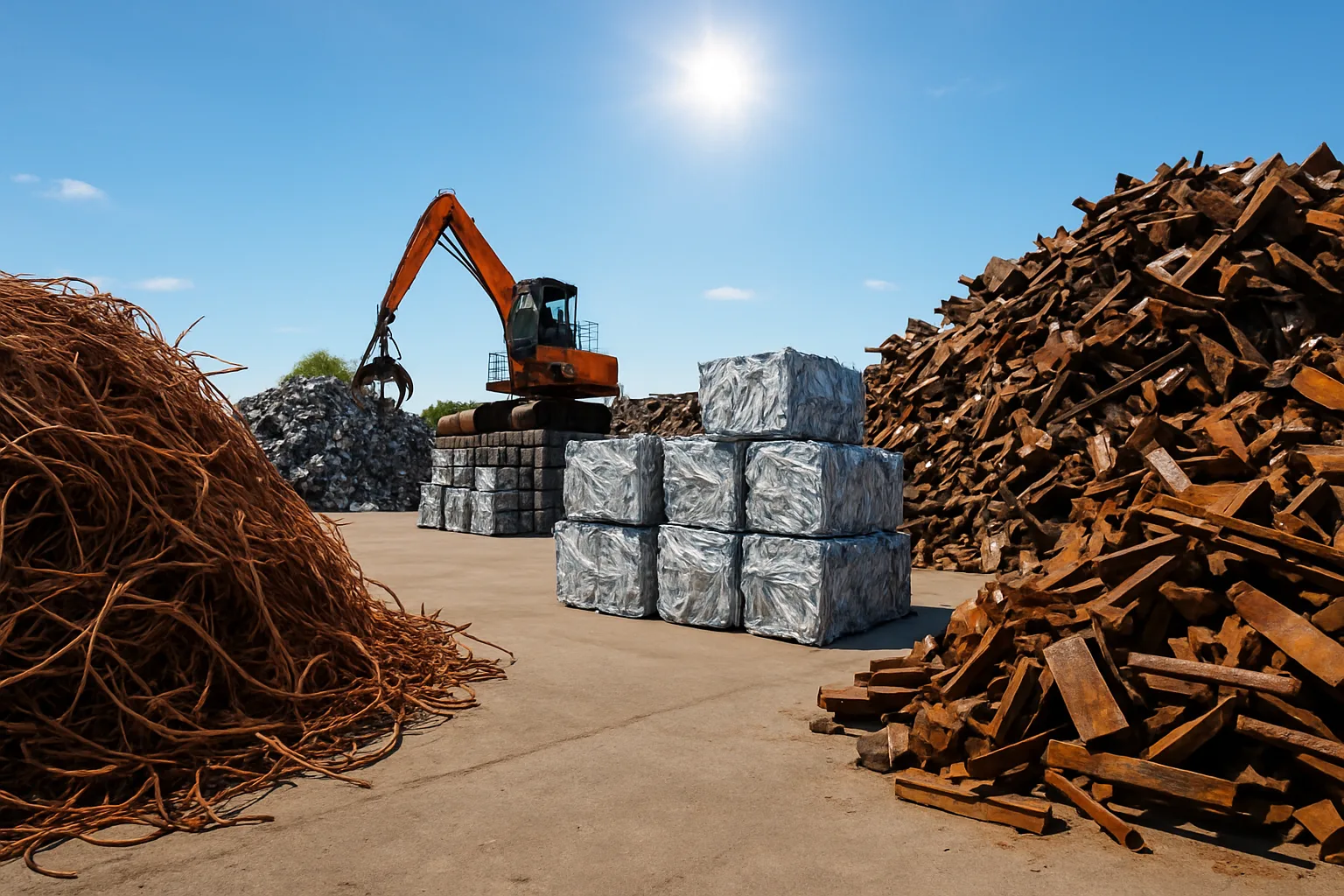
Saskatchewan's Scrap Metal Recycling Rules: What Yard Operators, Farmers, and Trades Need to Know in 2026
Your old combine sitting in the back field isn't just an eyesore — it's a regulated item. Saskatchewan has environmental rules governing how scrap metal and end-of-life vehicles get handled, and ignoring them can cost you. Whether you're running a farm cleanup outside Regina, clearing oil field equipment near Lloydminster, or scrapping a fleet of trucks in Saskatoon, knowing the rules protects you and puts more money in your pocket.
This guide breaks down Saskatchewan's key scrap metal recycling regulations, the real environmental upside of doing it right, and how scrap metal pick up across Saskatchewan works when you partner with professionals who handle the compliance side for you.
Saskatchewan Scrap Metal Regulations: The Rules That Actually Matter
Saskatchewan operates under a combination of provincial environmental legislation, municipal bylaws, and federal transport rules. The main framework comes from the Environmental Management and Protection Act and associated waste management regulations. If you're handling scrap in volume — farm cleanups, commercial demolition, or oilfield salvage — these rules apply to you directly.
Here's what you need to know before moving a load:
- Hazardous fluids must be drained first. End-of-life vehicles contain engine oil, transmission fluid, coolant, brake fluid, and refrigerants. Saskatchewan regulations require these to be removed before a vehicle is crushed or recycled. Letting fluids leak into soil is an environmental violation — not just bad practice.
- Catalytic converters have a paper trail. As of 2026, the buying and selling of catalytic converters in Saskatchewan is subject to documentation requirements. Buyers must record seller ID, vehicle information, and quantities. If you're looking to sell catalytic converters online or to a licensed buyer, use a platform that handles documentation properly.
- Freon and refrigerants need certified removal. Air conditioning units, commercial refrigeration, and vehicle A/C systems contain regulated refrigerants. These must be recovered by a certified technician before the metal gets scrapped.
- Battery and mercury components require separate handling. Lead-acid batteries, lithium packs, and mercury switches (common in older farm equipment) can't go in with bulk ferrous metal. They need to be separated and routed to appropriate processors.
- Commercial scrap dealers must be registered. If you're operating as a scrap dealer in Saskatchewan — buying or selling metal for profit — provincial rules require registration. Working with a licensed operation protects both parties.
For most farmers, homeowners, and trades, you're not the one worrying about dealer registration. But you should be handing your scrap to someone who is compliant. That's where choosing the right SMASH scrap pickup partner matters.
The Environmental Case for Proper Scrap Metal Recycling in Saskatchewan
Recycling scrap metal isn't just about getting paid. The environmental argument is concrete and measurable — steel recycling uses roughly 74% less energy than producing new steel from raw ore. For non-ferrous metals like copper and aluminum, the savings are even more significant. Every load of non-ferrous you pull off a job site and route to a recycler instead of a landfill is material that doesn't require new mining somewhere else.
In Saskatchewan specifically, the environmental stakes are high. Abandoned farm equipment leaches oil, battery acid, and rust into the prairie soil. Old grain bins and combines that sit exposed for years become contamination risks. Urban cores like Regina deal with abandoned vehicles that drip fluids onto roads and storm drains. Proper scrap vehicle pick up Regina programs exist precisely because that contamination is preventable.
The numbers on scrap metal's environmental upside:
- Steel recycling cuts CO₂ emissions by approximately 58% compared to virgin production
- Recycled aluminum uses about 95% less energy than primary smelting
- Copper recycling uses roughly 85% less energy than mining and refining new copper
- Every tonne of steel recycled saves about 1,400 kg of iron ore, 740 kg of coal, and 120 kg of limestone
For electricians, plumbers, and HVAC techs generating copper wire, pipe off-cuts, and old coil on every job — that scrap has real environmental value on top of its cash value. Platforms like SMASH make it easy to get top dollar for that material while keeping it out of the waste stream.
Scrap Vehicle Pick Up Regina: What Qualifies and What the Process Looks Like
If you have an end-of-life vehicle in Regina or the surrounding area, the process doesn't need to be complicated. Regina scrap metal services handle everything from single cars in residential driveways to full fleet cleanups at commercial yards — but the details matter.
Here's what qualifies for free scrap metal pick up in the Regina area:
- Complete or near-complete scrap vehicles (car, truck, van, SUV)
- Multiple vehicles at a single location — farm properties with several units are ideal
- Commercial fleet decommissioning
- Heavy equipment, combines, grain augers, and tractors
- Oilfield vehicles and service trucks
Single-item pickups or partial vehicles may not qualify for free pick up. If you have one car with missing major components, drop-off at a licensed facility may make more sense than requesting collection. The team will tell you upfront — no runaround.
The pickup process for qualifying loads:
- Contact us — describe what you have, where it is, and approximate condition
- We assess the load — based on weight, metal content, and location
- We schedule pickup — including rural routes outside Regina proper
- Fluids and hazardous materials are managed on our end
- You get paid — or the pickup is free, depending on load value
One thing we don't do: enter private homes. Items need to be outside, accessible, or in an open garage. That's a hard rule for safety and compliance.
Farm Scrap Removal Across Saskatchewan: Combines, Bins, and Equipment Nobody Wants Anymore
Saskatchewan farms accumulate metal fast. A typical farm property might have a decommissioned combine, two or three old grain bins, sections of corrugated steel roofing, lengths of irrigation pipe, worn-out cultivator frames, and at least one vehicle that hasn't moved in a decade. That's not a junk pile. That's a significant load of ferrous and non-ferrous material with real scrap value.
Farm scrap removal across Saskatchewan is one of the most high-value use cases for schedule your scrap metal pick up in Saskatchewan. Rural routes are covered. You don't need to haul anything to a city — the right service comes to you, loads the material, and handles the recycling chain from there.
What farm properties typically generate:
- Combines and tractors: Heavy ferrous steel, often several tonnes per unit
- Grain bins: Corrugated steel panels, worth more per tonne than most people expect
- Irrigation equipment: Aluminum and steel pipe — aluminum pays better per pound
- Old trucks and ATVs: Scrap vehicle value depends on completeness and condition
- Wire and cable from outbuildings: Copper wire from old barn wiring can be significant — trades pay attention here
- Fuel tanks and propane lines: Must be properly purged before handling
The environmental benefit of farm cleanups goes beyond the obvious. Old equipment leaching oil into the soil, corrugated bins with lead-based paint, underground fuel tanks — all of it poses long-term contamination risk. A proper farm cleanup isn't just getting paid for junk. It's environmental remediation that protects your land value.
Why Trades Get Top Dollar for Copper-Bearing Scrap
Electricians, plumbers, HVAC technicians, and contractors deal with copper constantly. Wire off-cuts, stripped copper pipe, old coil, copper fittings — that material adds up fast on a commercial job. Copper is the most valuable common non-ferrous metal at the scrap yard, and trades who handle volume can command strong pricing when they're working with the right buyer.
This is where SMASH's auction-based model creates real value. Instead of calling one buyer and taking whatever they offer, competitive bidding among vetted buyers means the market determines your price — not one yard's margin targets. More buyers competing for your material means better price discovery. That's not a guarantee of higher prices on every load, but it's a structurally better way to sell than a single cold call.
For trades generating copper-bearing product regularly, the math is straightforward: document your loads, photograph your material, and route it through a platform that creates competition. Schedule scrap metal pick up through SMASH and let the market work for you instead of against you.
Copper content that pays best:
- Bare bright copper wire (no insulation, no oxidation)
- #1 copper pipe (clean, dry, no solder)
- #2 copper (some oxidation, light fittings)
- Insulated copper wire — priced by estimated copper content after stripping
- Copper coil from HVAC units
For more on maximizing your scrap metal value, read scrap metal pick up guides for Saskatchewan to understand grading, pricing factors, and what to avoid that reduces your payout.
Comparing the Old Way vs. the SMASH Way for Saskatchewan Scrap
Here's the honest comparison. The old way: you call one scrap yard, they quote you a price, you take it or leave it. You have no idea if that price reflects the actual market. You drive the load in yourself, wait in line, and hope the scale is accurate. No documentation. No competition. No transparency.
The SMASH way is built differently. Vetted buyers compete for your load. Your inventory is documented — photos, weights, descriptions — so buyers know exactly what they're bidding on. Auto-invoicing handles the paperwork. No subscription fees means we only win when you do.
For a farm in Saskatchewan with multiple loads of non-ferrous, that difference in process can mean a meaningful difference in what ends up in your account. Not guaranteed — but structured to give you a better shot at market value.
If you have qualifying loads of scrap metal, old vehicles, farm equipment, or trade copper in the Regina area or anywhere across Saskatchewan, this is how it works: tell us what you have, we assess it, we come and get it for free if it qualifies. Scrap metal pick up across Saskatchewan for qualifying loads. Trades are always welcome — top dollar for copper-bearing products. Call 1-855-SMASH-74 or visit scrap-metal-pick-up.com to get started.
Frequently Asked Questions
Q: Is scrap vehicle pick up in Regina actually free?
Free pick up applies to qualifying loads — complete or near-complete vehicles, multiple vehicles at one location, or commercial volumes. A single stripped vehicle or partial unit may not qualify, and a pickup fee could apply. Contact us with the details and we'll tell you upfront what the situation looks like.
Q: What documents do I need to scrap a vehicle in Saskatchewan?
You'll typically need proof of ownership — a vehicle registration or title — to transfer or deregister the vehicle. Saskatchewan Government Insurance (SGI) handles vehicle deregistration. Your scrap buyer handles the rest of the paperwork on their end. Never scrap a vehicle without confirming ownership documentation is in order.
Q: Can I sell catalytic converters separately from my scrap vehicle in Saskatchewan?
Yes, catalytic converters can be sold separately, but Saskatchewan documentation requirements apply. Buyers are required to record seller identification, vehicle origin, and quantity. Use a licensed buyer who handles compliance documentation — it protects you legally and ensures you're paid fairly for the platinum-group metals inside.
Q: Do you pick up farm scrap outside Regina — in rural Saskatchewan?
Yes. Rural routes across Saskatchewan are covered for qualifying loads. Farm cleanups involving multiple pieces of equipment, grain bins, or bulk scrap are exactly the kind of load that justifies a rural pickup run. The further out you are, the more material it takes to make the trip worthwhile — but don't assume rural automatically means no service.
Q: How do I get the best price for copper wire and pipe as a trade in Saskatchewan?
Grade your material before selling — separate bare bright copper from insulated wire, and clean pipe from painted or soldered pieces. Higher grades pay more per pound. Then sell through a platform that creates buyer competition rather than accepting a single yard's posted price. SMASH connects your load with vetted buyers so the market sets your price, not one buyer's margin target.
Follow SMASH on LinkedIn for scrap metal market updates, industry insights, and recycling news: linkedin.com/company/scrap-metal-auction-sales-hub.