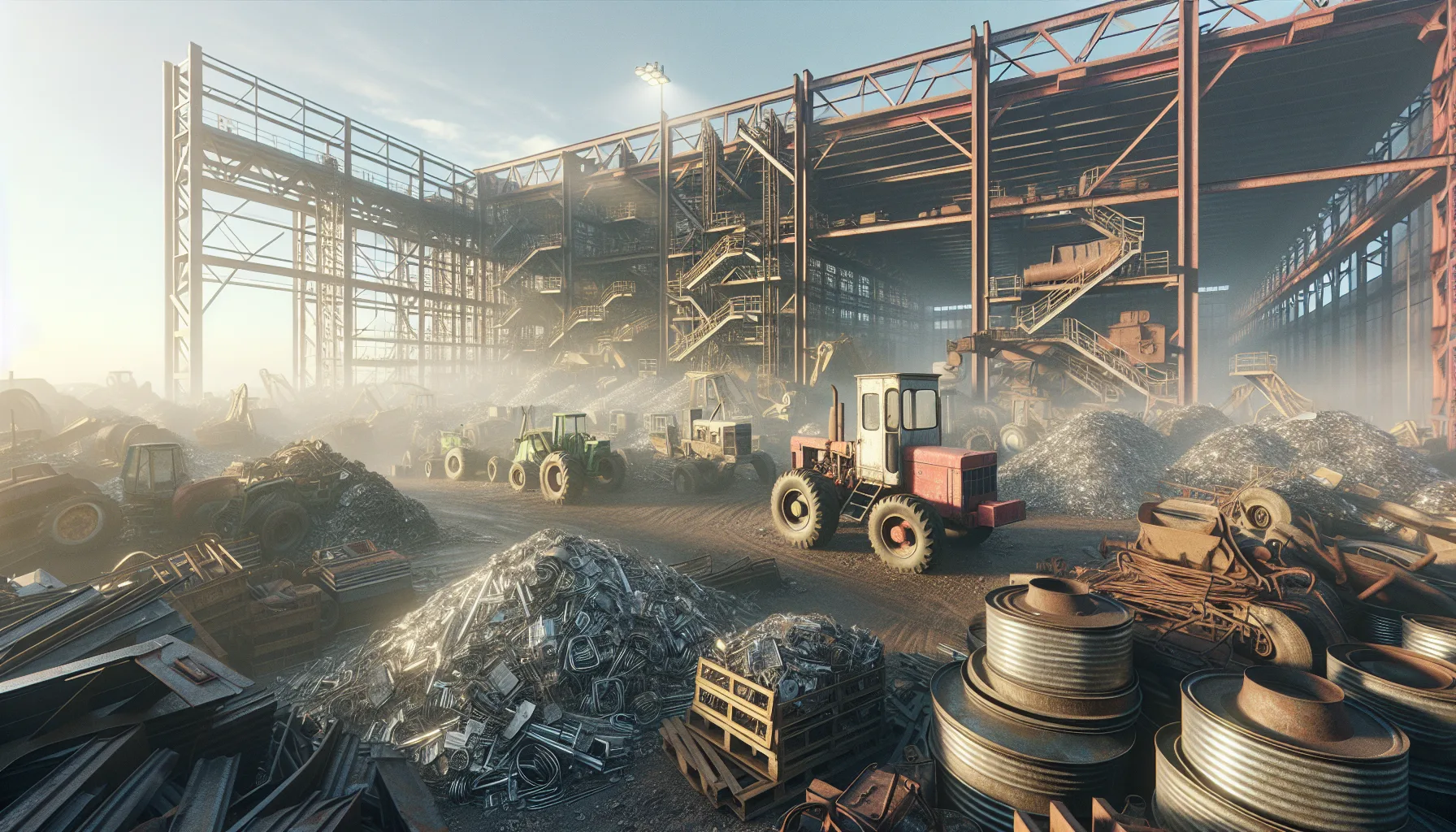
A rusty combine harvester sitting in a Saskatchewan field for fifteen years just netted one farming family $3,200 in cash. That old John Deere 7720, considered scrap by most neighbors, contained over 8,000 pounds of valuable steel, aluminum components, and copper wiring that made it worth far more than the farmer expected. This success story demonstrates how scrap metal pick up across Saskatchewan transforms forgotten farm equipment into immediate cash returns.
The Hendersons, who farm near Regina, had written off their 1982 combine as worthless after a transmission failure made repairs uneconomical. Like many Saskatchewan farmers, they assumed old equipment held little value beyond sentimental attachment. They discovered otherwise when SMASH evaluated their machinery for metal content rather than working condition.
The Hidden Value in Saskatchewan Farm Scrap Metal
Farm equipment manufactured in the 1970s through 1990s contains significantly more recoverable metal than modern machinery. Older combines, tractors, and implements were built with thicker steel frames, substantial aluminum components, and extensive copper wiring systems. A typical combine harvester from this era contains:
- 6,000-12,000 pounds of high-grade steel
- 200-800 pounds of aluminum (radiators, housings, trim)
- 50-150 pounds of copper wire and components
- Valuable brass fittings and bronze bushings
- Stainless steel components in newer models
The Henderson case exemplifies how cash for scrap cars Regina principles apply to agricultural machinery. Their combine's weight and metal composition justified free pickup and premium pricing. SMASH specializes in evaluating farm equipment for maximum metal recovery value rather than treating everything as basic scrap iron.
Saskatchewan's agricultural heritage means thousands of similar opportunities exist on farms across the province. Equipment that seems worthless often contains valuable non-ferrous metals that command top dollar. The key lies in professional evaluation and strategic metal separation during processing.
From Eyesore to Income: The Henderson Farm Cleanup
The Henderson property transformation began with a comprehensive scrap assessment. Beyond the combine, their farmyard contained a swather with seized engine, three cultivators missing shanks, an old grain truck, and miscellaneous implement parts accumulated over decades. This common scenario on Saskatchewan farms represents substantial hidden value when approached systematically.
SMASH's evaluation process identified each item's metal content and current market value. The swather contributed an additional $890 in mixed metals, primarily from its aluminum header and copper electrical components. Even the seemingly worthless cultivators yielded $420 in heavy steel pricing due to their substantial frame construction.
The grain truck qualified for their schedule your scrap metal pick up in Saskatchewan vehicle program. Despite a seized motor and rusted box, its chassis contained valuable steel, while the aluminum cab and copper wiring added significant value. Total vehicle payout reached $680, demonstrating how farm vehicles often exceed standard scrap car pricing due to their robust construction.
Professional sorting and preparation maximized returns. SMASH separated copper wiring, aluminum components, and different steel grades rather than processing everything as mixed scrap. This attention to metal classification increased the Henderson payout by approximately 40% compared to bulk scrap pricing.
Saskatchewan Farm Equipment: Prime Targets for Scrap Metal Recovery
Certain farm implements command premium scrap pricing due to their metal content and construction methods. Combines top the list for obvious reasons, but other equipment offers surprising returns when properly evaluated.
High-Value Farm Equipment for Scrap Recovery:
- Combine harvesters (especially 1970s-1990s models)
- Large tractors with hydraulic systems
- Swathers and windrowers
- Grain handling equipment (augers, conveyors)
- Heavy cultivators and tillage implements
- Older grain trucks and farm vehicles
Modern equipment often contains more aluminum and sophisticated metals, but older machinery built for durability offers substantial steel tonnage. The Henderson combine weighed significantly more than contemporary models due to heavier frame construction and thicker metal components throughout.
Regional factors influence farm scrap values across Saskatchewan. Equipment used in potash-rich soils may show more corrosion but retains structural integrity. Oil field proximity sometimes means additional contamination concerns, but also potential for premium pricing on specialized steel alloys used in industrial applications.
Free scrap pick up Regina services become particularly valuable for farmers dealing with multiple pieces simultaneously. Individual item pickup might incur fees, but comprehensive farm cleanups typically qualify for free removal due to volume and metal content.
The Economics of Farm Scrap Metal Removal in 2026
Saskatchewan's agricultural sector benefits from strong global steel demand and robust North American manufacturing recovery in 2026. Current market conditions favor farm scrap metal removal, with heavy steel pricing supporting profitable pickup operations across rural routes.
Transportation costs significantly impact rural pickup profitability. SMASH addresses this challenge by consolidating farm visits and focusing on high-value loads that justify travel to remote locations. The Henderson farm's total payout of $5,190 for multiple items created a successful pickup scenario that benefited both parties.
Scrap metal recycling Canada markets currently show strength in several categories relevant to farm equipment:
- Heavy steel: Strong demand from construction and manufacturing
- Aluminum: Premium pricing for clean, separated material
- Copper: Excellent returns for wire and tubing
- Stainless steel: Specialty pricing for newer equipment components
The timing proved beneficial for the Hendersons, who reinvested their scrap proceeds into new equipment financing. This practical approach to farm scrap metal removal demonstrates how clearing old equipment can directly support modern farming operations through immediate cash returns.
Market volatility requires flexibility in pricing and pickup scheduling. SMASH monitors commodity markets daily and advises clients on optimal timing for large equipment removal. Sometimes holding equipment for a few weeks can significantly increase returns, while other market conditions favor immediate removal.
Beyond Equipment: Comprehensive Farm Scrap Metal Opportunities
The Henderson success story extended beyond major equipment to include accumulated farm scrap that most operators overlook. Grain bin repair materials, irrigation components, and workshop scrap added another $890 to their total payout through careful evaluation and sorting.
Saskatchewan farms typically contain multiple scrap metal categories that benefit from professional removal:
- Structural Materials: Old grain bins, shop buildings, fence materials
- Mechanical Components: Engines, transmissions, hydraulic cylinders
- Utility Items: Tanks, pipes, electrical components
- Workshop Accumulation: Tools, hardware, project materials
Professional evaluation identifies valuable items that farmers often discard or overlook. Copper irrigation tubing, aluminum grain bin roofing, and stainless steel dairy equipment command premium pricing when properly sorted and prepared for recycling.
The comprehensive approach also addresses environmental concerns. Proper removal of batteries, fluids, and hazardous materials ensures compliance with Saskatchewan environmental regulations while maximizing metal recovery value. Read scrap metal pick up guides for Saskatchewan for detailed information on preparation and environmental considerations.
Maximizing Farm Scrap Metal Returns: Lessons from the Henderson Experience
The Henderson farm cleanup offers practical insights for other Saskatchewan farmers considering equipment removal. Their approach maximized returns through strategic planning and professional partnership rather than attempting independent disposal.
Key Success Factors:
- Comprehensive inventory of all potential scrap items
- Professional evaluation focusing on metal content
- Strategic timing based on market conditions
- Proper preparation and sorting where possible
- Consolidation for efficient pickup and processing
Preparation work can significantly impact final payouts. The Hendersons drained fluids, removed non-metal components, and gathered scattered parts into accessible piles. This cooperation reduced processing time and increased their effective metal percentage.
Documentation proved valuable for tax purposes and equipment tracking. SMASH provided detailed receipts showing individual item weights and values, supporting proper business expense and income reporting for farming operations.
The relationship extends beyond single transactions. List your scrap for pickup on SMASH Recycling to access ongoing market information and scheduling flexibility for future farm cleanup projects. Many Saskatchewan farmers establish ongoing relationships for regular scrap removal as equipment reaches end-of-life status.
Junk to go removal services like SMASH understand agricultural timelines and seasonal constraints. Spring and fall typically offer optimal scheduling for major equipment removal, while summer focuses on smaller items and ongoing cleanup projects.
Frequently Asked Questions
Q: How much can I expect for my old combine harvester in Regina?
Combine values vary significantly based on size, age, and metal content. Older models from the 1970s-1990s typically range from $2,000-$5,000 due to their substantial steel construction and aluminum components. Current market conditions and accessibility affect final pricing.
Q: Do you offer cash for scrap cars Regina along with farm equipment?
Yes, we purchase farm vehicles, trucks, and cars alongside agricultural equipment. Farm vehicles often command higher prices than standard cars due to heavier construction and valuable components like aluminum cabs and copper wiring systems.
Q: Is pickup really free for farm equipment in rural Saskatchewan?
Free pickup applies to qualifying loads based on total weight and metal value. Large equipment like combines, multiple pieces, or comprehensive farm cleanups typically qualify. Single small items may incur pickup fees, making drop-off more economical for individual pieces.
Q: What preparation is required before farm equipment pickup?
Drain all fluids including hydraulic oil, fuel, and coolant. Remove batteries and non-metal components where possible. Ensure equipment is accessible by truck and trailer. We handle all other preparation and metal separation during processing.
Q: Can you pick up equipment during planting or harvest seasons?
We work around agricultural schedules and understand seasonal constraints. Spring and fall often provide optimal timing, but we accommodate urgent removals year-round. Advanced scheduling helps ensure availability during preferred timeframes.
Saskatchewan farmers like the Hendersons are discovering that yesterday's equipment problems become today's financial opportunities through professional scrap metal evaluation and removal. Their $5,190 payout from forgotten farm equipment demonstrates the hidden value in agricultural scrap when approached strategically. Scrap metal pick up across Saskatchewan for qualifying loads makes this transformation accessible to farms province-wide. Trades welcome — top dollar for copper — call 1-855-SMASH-74 or visit scrap-metal-pick-up.com.
Stay connected with SMASH on LinkedIn for the latest scrap metal market insights and industry updates across Saskatchewan.