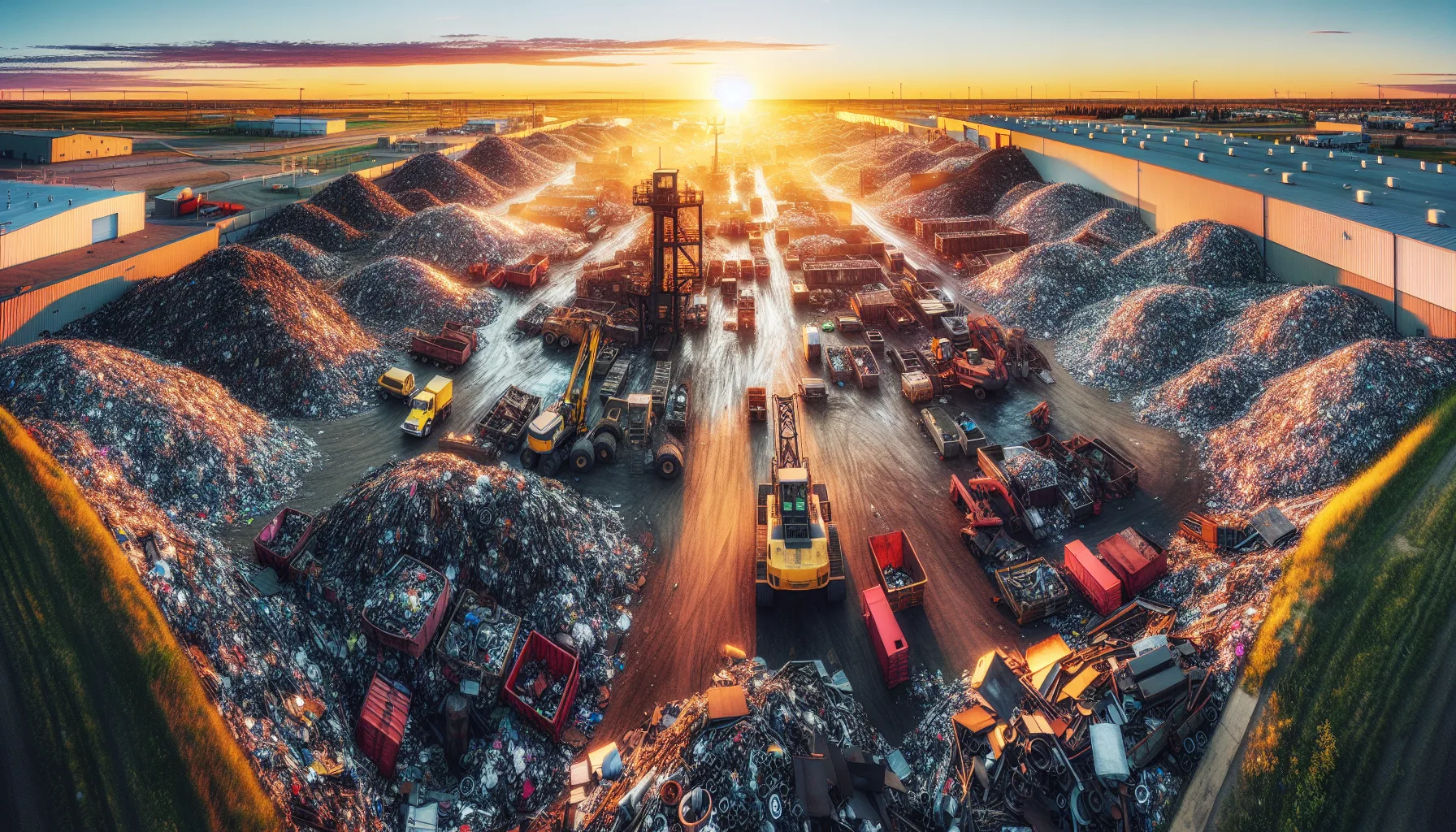
Saskatchewan's oil fields generate over 150 tons of industrial scrap metal monthly, from drill pipe remnants to decommissioned wellhead equipment. This massive volume creates both opportunity and challenge for energy companies seeking efficient disposal solutions. The key lies in understanding which materials command premium prices and how professional metal recycling near me Regina services streamline the entire process.
Oil field operations produce diverse metal waste streams requiring specialized handling. SMASH connects energy companies with targeted recycling solutions that transform costly disposal into revenue generation.
Top 5 Oil Field Scrap Categories in Saskatchewan
Understanding your scrap inventory drives better recycling decisions. Saskatchewan oil operations typically generate five primary metal categories, each with distinct value propositions and handling requirements.
1. Drill Pipe and Casing Materials
High-grade steel drill pipes represent significant value in today's market. These materials often contain specialized alloys that command premium pricing. Companies accumulating damaged or obsolete drilling equipment should prioritize separation by grade and condition.
2. Wellhead Equipment and Valves
Decommissioned wellhead assemblies contain various metal components including stainless steel, carbon steel, and sometimes brass fittings. The complexity of these assemblies requires professional assessment to maximize recovery value.
3. Pipeline Infrastructure
Retired pipeline sections, especially larger diameter materials, offer substantial recycling value. Clean pipeline materials free from contamination typically achieve higher pricing than mixed industrial scrap.
4. Production Equipment Components
Pump jacks, separators, and processing equipment generate ongoing scrap streams. These items often combine multiple metal types requiring sorting expertise for optimal value extraction.
5. Support Structure Materials
Steel beams, framework, and structural components from facility modifications or decommissioning projects. While lower value per pound, the volume potential makes these materials significant contributors to overall recycling revenue.
Professional scrap metal pick up across Saskatchewan services understand these material categories and provide appropriate handling for each type.
Industrial vs. Farm Scrap: Key Differences for Saskatchewan Operations
Industrial oil field scrap differs significantly from agricultural metal recycling in volume, composition, and handling requirements. These differences impact both pricing and pickup logistics across Saskatchewan operations.
Volume and Consistency
Oil field sites typically generate larger, more consistent scrap volumes compared to seasonal farm cleanups. Industrial operations may produce weekly or monthly loads, while agricultural scrap often accumulates over years before removal becomes necessary.
Material Contamination Levels
Industrial scrap frequently requires specialized cleaning or preparation due to hydrocarbon exposure. Farm scrap, while weathered, usually presents fewer contamination challenges. This affects both processing requirements and final pricing structures.
Access and Transportation
Oil field locations often feature improved road access compared to remote farm sites. However, active operations require careful coordination to avoid disrupting production activities. Rural farm locations may need specialized equipment for difficult terrain access.
Regulatory Considerations
Industrial sites operate under stricter environmental regulations affecting scrap removal procedures. Documentation requirements, environmental assessments, and chain-of-custody tracking add complexity absent from typical farm scrap removal projects.
Companies seeking scrap metal pick up Regina services benefit from providers experienced in both industrial and agricultural contexts. SMASH offers specialized solutions addressing the unique requirements of oil field operations while maintaining competitive pricing structures.
Maximizing Value Through Strategic Inventory Management
Effective scrap metal inventory management transforms waste disposal costs into profit centers. Saskatchewan energy companies implementing systematic approaches typically achieve 25-40% higher recycling revenues compared to ad-hoc disposal methods.
Segregation at Source
Separating materials by type during initial generation prevents contamination and maximizes individual category values. Simple sorting protocols save significant processing time and improve final pricing outcomes.
Storage Optimization
Proper storage protects material quality while accumulating economical pickup volumes. Weather protection preserves metal conditions, while organized storage facilitates accurate inventory assessments and efficient loading operations.
Documentation Systems
Tracking scrap generation sources, volumes, and compositions enables better decision-making for future operations. Historical data helps predict recycling revenue potential and optimize collection timing.
Market Timing Strategies
Metal prices fluctuate based on global market conditions. Companies with adequate storage capacity can time their sales to capture favorable pricing periods, significantly impacting annual recycling revenue.
Professional recycling services provide market intelligence helping companies optimize their disposal timing. The SMASH scrap metal auction platform offers transparency in pricing while connecting sellers with competitive buyers throughout the region.
Logistics Solutions for Remote Saskatchewan Operations
Remote oil field locations present unique challenges for scrap metal removal. Distance from processing facilities, road conditions, and site accessibility all impact collection feasibility and costs.
Route Optimization
Efficient pickup routes combine multiple sites to reduce per-location transportation costs. Companies coordinating with neighboring operations often achieve better service pricing through consolidated pickups.
Equipment Requirements
Heavy industrial scrap requires specialized lifting and transportation equipment. Professional services maintain appropriate machinery for handling large-scale oil field materials safely and efficiently.
Weather Considerations
Saskatchewan's climate affects pickup accessibility throughout the year. Winter conditions may limit access to certain locations, making seasonal planning essential for consistent scrap removal services.
Load Qualification Standards
Free metal pick up service availability depends on meeting minimum volume and value thresholds. Understanding these requirements helps companies plan accumulation strategies that qualify for no-cost removal services.
Companies seeking reliable schedule your scrap metal pick up in Saskatchewan services benefit from providers with extensive rural and industrial experience. SMASH maintains specialized equipment and routing capabilities serving remote operations throughout the province.
Comparing Service Models: Auction vs. Direct Purchase
Saskatchewan companies have multiple options for scrap metal disposal, each offering distinct advantages depending on material types, volumes, and operational requirements.
Traditional Direct Purchase Models
Direct purchase services offer immediate transactions with established pricing structures. This approach works well for routine, smaller volume disposals where convenience outweighs maximum value optimization.
Auction-Based Platforms
Auction systems create competitive bidding environments potentially achieving higher prices for quality materials. The process requires more time investment but often delivers superior financial results for substantial scrap volumes.
Hybrid Service Approaches
Some providers combine auction opportunities with direct purchase options, allowing customers to choose the most appropriate method for each specific load. This flexibility accommodates varying operational needs and material characteristics.
Volume-Based Considerations
Larger volumes typically benefit from auction exposure due to increased buyer interest and competitive dynamics. Smaller loads may find direct purchase more practical despite potentially lower per-unit pricing.
Professional guidance helps determine optimal disposal strategies for specific situations. Companies can read scrap metal pick up guides for Saskatchewan operations to understand which approaches work best for their particular circumstances.
Environmental and Regulatory Compliance in Oil Field Recycling
Environmental stewardship drives both regulatory compliance and corporate responsibility initiatives across Saskatchewan's energy sector. Proper scrap metal recycling contributes significantly to sustainability objectives while meeting legal requirements.
Contamination Management
Oil field equipment often contains residual hydrocarbons requiring specialized handling procedures. Professional recycling services understand cleaning requirements and regulatory standards affecting contaminated materials processing.
Documentation Requirements
Regulatory agencies require detailed tracking of industrial waste streams including recycled materials. Proper documentation protects companies from compliance issues while supporting environmental reporting obligations.
Chain of Custody Protocols
Materials leaving industrial sites require documented chain of custody tracking through final processing. This ensures regulatory compliance while providing liability protection for generating companies.
Sustainability Reporting
Many companies integrate recycling metrics into environmental performance reports. Accurate tracking of diverted materials supports sustainability goals and demonstrates environmental responsibility to stakeholders.
Companies can book your free scrap pick up through SMASH Recycling while ensuring full regulatory compliance through experienced service providers familiar with industrial requirements.
Professional farm scrap metal removal near me services extend beyond agricultural applications, providing comprehensive solutions for all Saskatchewan industrial operations. Whether managing routine equipment replacement or large-scale decommissioning projects, experienced recycling partners streamline the entire process from assessment through final disposal.
Frequently Asked Questions
Q: What qualifies as a free pickup load for oil field scrap in Saskatchewan?
Free pickup typically requires minimum volumes of 1,000 pounds or mixed loads worth $500+ in scrap value. Industrial locations with quality steel, pipe materials, or significant volumes usually qualify. Smaller loads may incur pickup fees, but drop-off remains an alternative option.
Q: How does metal recycling near me Regina compare to hauling scrap to distant facilities?
Local recycling services eliminate transportation costs and time while often providing competitive pricing through established buyer networks. Regina-based services understand regional market conditions and offer convenient scheduling compared to distant facility drop-offs.
Q: Can contaminated oil field equipment still be recycled for value?
Yes, but contamination affects pricing and handling requirements. Professional services assess contamination levels and determine appropriate processing methods. Clean materials command premium prices, while contaminated items may require specialized preparation affecting final values.
Q: What documentation should companies maintain for industrial scrap disposal?
Maintain records of material sources, volumes, contamination assessments, and disposal destinations. Include pickup receipts, weight tickets, and any environmental assessments. This documentation supports regulatory compliance and internal tracking requirements.
Q: How often should oil field operations schedule scrap removal services?
Frequency depends on generation rates and storage capacity. Most operations benefit from quarterly pickups to prevent accumulation issues while maintaining cost-effective volumes. Active drilling sites may require monthly service, while production facilities often operate on seasonal schedules.
Saskatchewan's energy sector continues evolving, with scrap metal recycling becoming increasingly important for operational efficiency and environmental responsibility. Companies implementing strategic recycling approaches reduce disposal costs while contributing to circular economy principles. Scrap metal pick up across Saskatchewan for qualifying loads. Trades welcome — top dollar for copper — call 1-855-SMASH-74 or visit scrap-metal-pick-up.com.
Stay connected with industry developments and market insights by following SMASH on LinkedIn at https://www.linkedin.com/company/scrap-metal-auction-sales-hub for the latest updates on scrap metal markets and recycling opportunities.