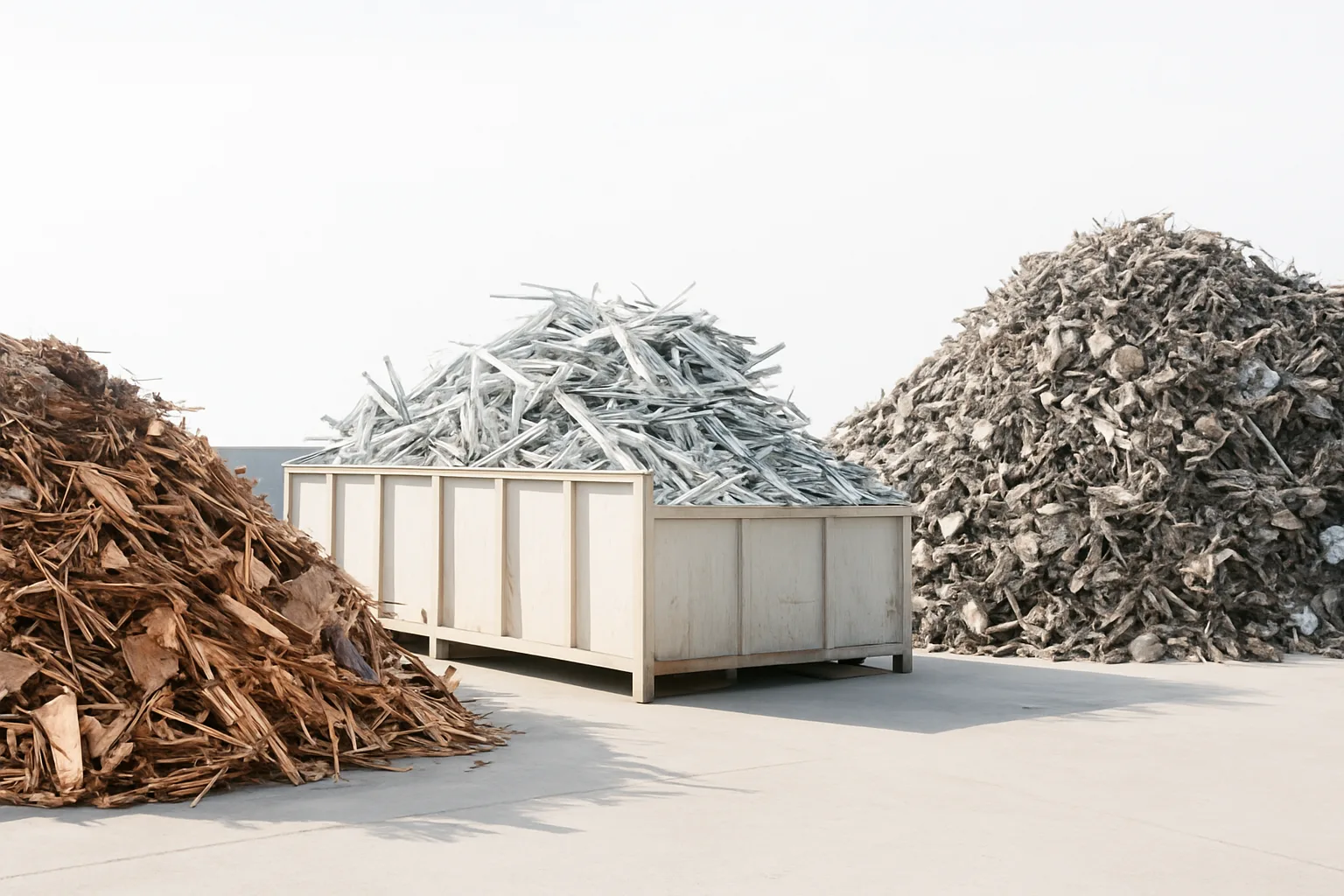
What a Saskatchewan Farm Cleanup Actually Turns Up (And What It's Worth)
Most farmers don't think of the back forty as a metal inventory. But strip away the weeds and decades of weather, and a typical Saskatchewan acreage holds thousands of dollars in recoverable metal — steel, aluminum, copper, brass, and cast iron that buyers actually want. The problem isn't that the metal has no value. The problem is that nobody's told you what to look for, or made it easy to get rid of it.
This piece breaks down the most valuable scrap metals found on Saskatchewan farms and acreages — what they are, where they hide, and how to turn a yard cleanup into real cash rather than a landfill run. If you've been searching for metal recycling near me Regina or wondering whether a farm cleanup is even worth the hassle, read this first.
Copper: The Most Valuable Metal You Already Have
Copper is the crown jewel of non-ferrous scrap. On a working farm, it shows up in more places than most people realize — and it's consistently one of the highest-paying metals by weight. If you've got old irrigation systems, wiring pulled from demolished outbuildings, or motors from retired grain augers, you're sitting on copper.
Here's where copper hides on Saskatchewan farms and acreages:
- Electric motors — combines, grain dryers, air seeders, and irrigation pumps all run on copper-wound motors. Even seized or dead motors carry copper worth recovering.
- Wiring from old granaries or barns — aluminum wiring is common in older builds, but many farm structures also contain copper branch circuits and service wiring.
- Copper pipe — water lines, fuel lines, and refrigeration lines on older equipment and buildings.
- Transformer coils — yard transformers and small step-down units contain significant copper windings.
- Old radiators — copper/brass radiators from classic tractors and trucks are valuable. Don't toss these with the steel pile.
We pay top dollar for copper-bearing products. Trades who strip wire on job sites know this well — but farmers are often leaving serious money on the table by lumping copper-bearing components in with low-grade steel. Separate your non-ferrous before anything gets hauled. That step alone can significantly change what you walk away with.
Aluminum and Brass: Small Weight, Real Money
After copper, aluminum and brass are the next metals worth separating. Both price out well above steel, and farms tend to accumulate them in specific places that are easy to miss during a general cleanup.
Aluminum shows up in:
- Irrigation pipe (most common aluminum scrap on Saskatchewan acreages)
- Old grain bin aeration ducts and transition fittings
- Alloy wheels from trucks and equipment
- Aluminum wiring from older outbuildings
- Cast aluminum engine blocks and housings from small engines
Brass is less obvious but consistently present:
- Shut-off valves and fittings on water and fuel systems
- Old hydraulic fittings on retired equipment
- Pressure gauges and coupling bodies
- Antique tractor carburetor bodies and fuel components
Neither aluminum nor brass should go in your steel pile. Both are non-ferrous — a magnet won't stick to them. That's your fastest field test. Anything the magnet ignores is worth setting aside and pricing separately. Platforms like Canadian scrap metal pick up and recycling marketplace SMASH help connect sellers with vetted buyers who pay competitive rates for non-ferrous loads — no guesswork, no single-buyer lowballs.
Steel and Iron: Lower Price Per Pound, But the Volume Adds Up Fast
Steel and cast iron won't make you rich by the pound. But a typical Saskatchewan farm cleanup generates serious volume — and that's where the math changes. A single decommissioned grain bin can weigh several tons. An old combine frame, a set of cultivator shanks, a retired swather — all of that steel adds up fast.
Common steel and iron scrap on Saskatchewan farms includes:
- Grain bins — corrugated steel bins, hoppers, and ring sections. Even bins in rough shape have value as scrap steel.
- Old tillage equipment — cultivators, discs, harrows, and chisel plows that haven't moved in years.
- Combines and tractors — older machines that are beyond economic repair still carry weight and value as scrap. Regina scrap metal services handles scrap vehicle pick up including farm machinery.
- Fuel tanks and propane tanks — steel tanks (properly drained and vented) can be scrapped. Propane tanks require decommissioning first — don't skip this step.
- Fencing and corrals — steel posts, pipe fencing, and corral panels from retired livestock operations.
- Augers and conveyors — tube augers, bucket elevators, and grain handling equipment with steel tubing and cast iron housings.
Cast iron specifically — found in engine blocks, flywheel housings, and older implement frames — prices higher than standard steel. Separate it if you can identify it. Cast iron is brittle, dull grey when broken, and heavier than it looks.
For bulk steel hauls from farm cleanups, scrap metal pick up across Saskatchewan is available at no charge for qualifying loads. That means a full bin yard, a machinery graveyard, or a combination of steel and non-ferrous can qualify for free pick up — we come to you, not the other way around.
Scrap Vehicles and Equipment: More Valuable Than You Think
That 1987 half-ton with the blown engine sitting behind the shop. The header that came with the farm and hasn't moved in fifteen years. The old loader tractor with no front axle. These aren't just eyesores — they're recoverable assets.
Scrap vehicle and equipment removal is a major part of what we do across rural Saskatchewan. Here's what makes a scrapped vehicle or machine valuable beyond its steel weight:
- Catalytic converters — any gas-powered vehicle or machine made after the mid-1970s likely has a cat. These contain platinum group metals (PGMs) and price significantly higher than standard steel. Don't let them go unnoticed.
- Copper wiring harnesses — every modern vehicle has a copper wiring harness. On a full-sized truck or tractor, that's real weight in copper.
- Aluminum components — alloy wheels, intake manifolds, engine blocks on newer machines.
- Starters and alternators — copper-wound and worth separating from the steel pile.
If you're in or around Regina and have multiple vehicles or pieces of equipment to remove, scrap metal pick up Regina for qualifying multi-unit hauls is available without a pickup fee. One call handles the logistics. No need to rent a trailer or coordinate your own transport.
For buyers on the other side of the equation, SMASH runs competitive auctions for documented scrap loads — meaning sellers get market exposure beyond a single phone call to a single buyer. Competition reveals the real price. That's the whole point.
Scrap Metal Inventory Management: Why Sorting Before Pick Up Pays Off
The single biggest mistake farmers and acreage owners make is hauling mixed loads. When steel, aluminum, copper, and iron all go out together in one pile, you're priced on the lowest common denominator — and that's usually steel. Sorting is not complicated. It takes an hour on a medium-sized cleanup and regularly makes a meaningful difference in the payout.
Here's a practical sorting process for a farm cleanup:
- Magnet test first — run a strong magnet over everything. Anything it doesn't stick to is non-ferrous (copper, aluminum, brass, stainless). Set those aside.
- Separate copper specifically — wire, pipe, motors, and radiators go in their own pile. Copper is your highest-value item and deserves to be priced separately.
- Identify cast iron — heavier, brittle, dull grey. Engine blocks, implement housings, old stove bodies. These price above standard steel.
- Group aluminum by type — cast aluminum (engine blocks, housings) prices differently than sheet or extrusion (irrigation pipe, ducts).
- Flag catalytic converters — don't let them go with the steel. They're worth asking about separately.
Proper scrap metal inventory management before a pickup also speeds the process when the truck arrives. Documented loads — with photos, weights, and metal types — give buyers more confidence and support better price discovery. SMASH's inventory tools make this straightforward even for first-time sellers. You don't need to be an expert. You just need to know what you've got.
If you want practical guidance before your first farm cleanup pickup, read scrap metal pick up guides for Saskatchewan on our blog — we cover sorting, pricing basics, and what to expect on pick up day.
How to Get Farm Scrap Picked Up Across Saskatchewan
If your farm or acreage qualifies — bulk steel, multiple vehicles, or a significant non-ferrous component — schedule your scrap metal pick up in Saskatchewan and we'll handle the logistics. We run rural routes and reach areas well outside Regina city limits. No load is too remote if the volume makes sense.
What qualifies for free farm scrap pick up:
- Multiple scrap vehicles or equipment units
- Full grain bin teardowns or large steel accumulations
- Trade quantities of copper, aluminum, or brass
- Combined farm cleanups with mixed metal types
- Oil field and industrial scrap in commercial volumes
Single items or small loads may involve a pick up fee — for those, drop-off to a local yard is often a better fit. We'll tell you straight which category your load falls into. No surprises.
Items need to be accessible — outside, in a yard, or in an open shed. We don't enter private residences, but open farm buildings and machinery yards are no problem.
Whether you're a farmer outside Regina doing a multi-year equipment cleanout, a rural landowner clearing an acreage, or a contractor hauling non-ferrous from a job site across Saskatchewan — call 1-855-SMASH-74 or visit scrap-metal-pick-up.com to get it moving. Trades are always welcome, and copper-bearing loads get our best attention.
Frequently Asked Questions
Q: Is farm scrap metal pick up free in Saskatchewan?
Free pick up is available for qualifying loads — typically bulk steel, multiple vehicles, or significant non-ferrous volume. Small or single-item loads may involve a fee, and drop-off is often a better option for those. Call us and we'll tell you straight based on what you've got.
Q: What farm equipment is worth the most as scrap?
Combines and tractors with intact wiring harnesses, catalytic converters, and copper-wound motors return more than their raw steel weight suggests. Old copper/brass radiators, electric motors, and aluminum irrigation pipe are consistently the highest-value items per pound on a farm cleanup. Non-ferrous always beats ferrous on price.
Q: How do I find metal recycling near me in Regina?
For farm and acreage loads, we provide pick up service directly to your location — you don't need to haul to a yard. For smaller loads, local recycling yards in Regina accept drop-offs. Our Regina scrap metal services page covers what we handle directly in and around the city.
Q: Can you pick up scrap vehicles from rural Saskatchewan?
Yes. We run rural routes across Saskatchewan and pick up scrap vehicles, equipment, and bulk farm scrap from locations well outside city limits. Qualifying loads — multiple units or significant volume — receive free pick up. Call 1-855-SMASH-74 to confirm your location and load details.
Q: How does SMASH help with farm scrap metal sales?
SMASH is a scrap metal auction platform that connects sellers with vetted buyers across North America. Instead of calling one buyer and accepting whatever price they offer, documented loads go to auction — meaning competition, not guesswork, sets the price. Better price discovery for sellers, transparent process for buyers.
Prices for scrap metal fluctuate based on market conditions, grade, and load composition. Always confirm current rates before a pickup or sale. The values described here reflect general market dynamics, not guaranteed purchase prices.
Stay current on scrap metal markets and industry news — follow SMASH on LinkedIn for regular updates on pricing trends, platform features, and practical advice for sellers across North America.