What's Actually Worth Money on a Saskatchewan Farm or Acreage
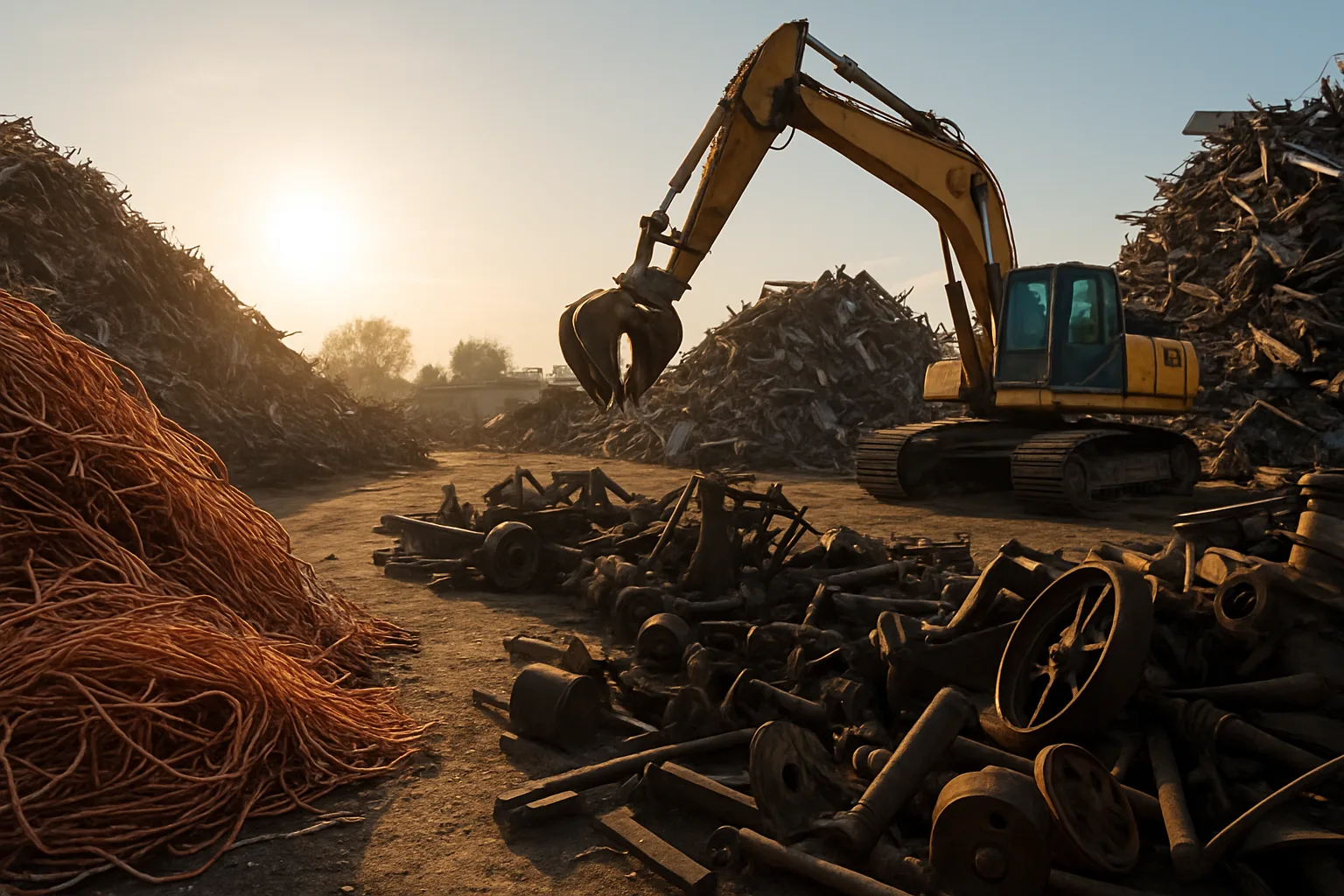
Most farmers sitting on a yard full of old equipment don't realize they're also sitting on thousands of dollars in recoverable metal. A rusted-out combine header, a pile of copper irrigation wire, a row of dead trucks behind the shop — none of that is garbage. It's inventory. Knowing which metals pay the most changes how you approach a cleanup entirely.
This list breaks down the most valuable scrap metals commonly found on Saskatchewan farms and acreages, ranked by what actually moves the needle on your payout. Whether you're clearing out after decades of accumulation or just finally tackling that back corner of the yard, here's what to prioritize — and why.
1. Copper Wire, Pipe, and Motors — The Top of the Food Chain
Copper consistently commands the highest price per pound of any metal you'll find on a farm. Old irrigation systems, buried electrical lines, pump motors, and transformer windings all contain copper. A single large irrigation pump motor can hold several pounds of copper windings. Multiply that across a whole yard cleanup and you're looking at serious weight.
Copper comes in grades that affect the price. Bare bright copper — clean, uncoated wire — pays the most. Then comes #1 copper (clean pipe and wire, no fittings), #2 copper (mixed, oxidized, or with minor attachments), and insulated wire, which pays less because the copper-to-insulation ratio varies. Don't strip wire in the field unless you have the right setup — it's time-consuming and you can accidentally downgrade the material. Let the buyer sort it and get a fair assessed price.
- Where to find it on farms: old irrigation pumps, grain bin motors, water well equipment, shop wiring, transformers, electric fence controllers
- What to watch for: aluminum wiring looks similar to copper — check for the silver color vs. orange-red
- Tip: Trades (electricians, HVAC techs, plumbers) accumulate copper offcuts from jobs — scrap metal pick up across Saskatchewan is available for trade-volume quantities, and we pay top dollar for copper-bearing product
2. Aluminum — Light but Surprisingly Valuable Per Pound
Aluminum is the second most valuable common scrap metal on a farm, and it's everywhere once you start looking. Old grain bin sheets, aluminum irrigation pipe, storm windows, hydraulic line fittings, and engine components all contain aluminum. It weighs a fraction of steel, but the price per pound is significantly higher — typically in a different tier than ferrous metals.
Aluminum grades matter too. Cast aluminum (engine blocks, pump housings) pays differently than sheet or extruded aluminum. Aluminum with steel inserts or contamination (mixed-in bolts, painted surfaces, attached parts) grades lower. Clean, sorted aluminum always pays better. If you're pulling an old aluminum grain bin, separate the sheets from any steel hardware before the truck arrives — it adds up.
- Common farm sources: grain bins, aluminum irrigation lines, old truck cabs, storm windows, equipment castings, ladders
- Separation tip: Use a magnet — if it sticks, it's steel; if it doesn't, you likely have aluminum or copper
3. Catalytic Converters — Small Parts, Big Numbers
If you have old trucks, ATVs, or farm equipment with catalytic converters still attached, don't overlook them. Cats contain platinum, palladium, and rhodium — precious metals recovered in the recycling process. A single converter from a diesel pickup can be worth a meaningful amount depending on the make, model, and precious metal content inside.
Serial numbers and VIN documentation matter a lot here — platforms like get your scrap picked up free through SMASH Recycling use serial tracking and VIN lookup to verify cats before they go to auction, which protects sellers and keeps transactions clean. Documenting your cats before they leave your yard is the smart move, especially for fleet vehicles or equipment you've owned long-term.
- Common farm sources: half-ton trucks, diesel pickups, ATVs, some older combines
- Important: Prices vary significantly by vehicle make and model — don't assume they're all equal
4. Scrap Vehicles and Heavy Iron — Volume Is Where the Ferrous Money Comes From
Steel and iron pay the least per pound of any metal on this list — but farms have it in massive quantities. A single dead combine, swather, or grain truck can weigh several tons. At ferrous scrap prices, even a modest stack of iron adds up fast when you're moving large volumes.
Old cars and trucks are particularly worth noting. If you've got a row of non-running vehicles behind the shop — half-tons, grain trucks, old service vehicles — Regina scrap metal services and rural routes across Saskatchewan handle scrap car removal for qualifying loads. That means we come to you. Whether you're on an acreage outside Regina or a quarter section north of Saskatoon, we move vehicles when the load justifies the run.
For heavy farm equipment, the math is simple: the more you accumulate before calling, the better the economics for everyone. A combine, a couple of grain wagons, and a pile of cultivator shanks in the same yard is a compelling pickup run. Single items in remote locations may require a different conversation about what qualifies.
- High-value ferrous items on farms: combines, swathers, balers, grain trucks, cultivators, discers, old tractors (especially pre-tier engines with cast iron blocks)
- Vehicle-specific: scrap car pick up for non-running or damaged vehicles — must be accessible, outside or in an open shop
- Tip: Strip non-ferrous first (copper wiring, aluminum panels) before the iron truck arrives if you have time — you may net more separating it than bundling together
5. Brass and Bronze — Easy to Overlook, Worth Pulling Out
Brass is found throughout farm infrastructure and is worth significantly more per pound than steel. Gate valves, water fittings, fuel line fittings, old gauges, fire hydrant components, and bearing housings are common sources. Bronze shows up in bushing housings, old pump impellers, and heavy equipment wear parts.
The challenge with brass on farms is volume — it's rarely in large quantities. But if you're doing a full shop cleanout or tearing apart an old pump house, segregating brass and bronze into their own pile is worth the five minutes it takes. A pile of brass fittings that looks minor can surprise you on the scale.
- How to identify brass: yellow-gold color, heavier than aluminum, doesn't rust like steel
- Common farm sources: water system fittings, old pump stations, hydraulic fittings (some), old meters and gauges
6. Stainless Steel — Underrated by Most, Valued by Buyers
Stainless steel pays more than regular carbon steel, and farms — especially those with any dairy, food processing, or chemical handling history — often have stainless in the mix. Old milk tanks, stainless process equipment, food-grade piping, and certain oil field components are all sources.
The key is identification. Regular steel looks similar but doesn't hold up the same way and pays standard ferrous rates. Stainless often shows a slightly different finish and resists surface rust. If you're unsure, use a magnet — most stainless grades are weakly magnetic or not magnetic at all, unlike carbon steel which holds strong.
If you're sorting through an old acreage or farm that had a dairy or mixed operation, pull anything that looks like stainless into its own pile. It's worth the sorting effort. For practical guides on getting the most from your farm or acreage cleanup, read scrap metal pick up guides for Saskatchewan before you start hauling.
How to Get the Most Out of Your Farm Scrap Cleanup
Sorting before pickup is the single biggest factor in maximizing your payout. You don't need to be precise — just separate copper and aluminum from steel, pull out any brass you spot, and keep vehicles and heavy iron in accessible locations. Even rough sorting moves the needle on final pricing.
Documentation matters more than most people realize. Photos of large equipment, VINs on vehicles, serial numbers on cats — all of this builds confidence for buyers and speeds up the transaction. SMASH uses photo documentation and serial tracking as part of the process, so sellers have a clear record of what left their yard and what it was worth. That's not just good recordkeeping — it protects you.
Timing your cleanup with a full load also makes a difference. Rather than calling for one dead truck, accumulate the grain bin sheets, the copper wire, and the old equipment all at once. A full load run across a Saskatchewan farm typically qualifies for schedule your scrap metal pick up in Saskatchewan at no charge. Smaller, single-item pickups may involve a fee or a drop-off recommendation instead.
Disclaimer: Scrap metal prices fluctuate with global commodity markets. All pricing is subject to change. Check current rates before making decisions based on specific price assumptions.
Frequently Asked Questions
Q: Is scrap car removal in Regina free?
Free pick up is available for qualifying loads — which typically means a scrap vehicle is part of a larger cleanup, or you have multiple vehicles at the same location. A single car in a remote rural location may not qualify. Contact us to discuss what's at your site and we'll give you a straight answer on whether it qualifies.
Q: What's the most valuable thing I can scrap from an old Saskatchewan farm?
Copper, by a significant margin. Old irrigation motors, pump windings, buried electrical wire, and copper pipe all carry real value per pound. If your farm had substantial electrical infrastructure or irrigation systems, the copper recovery alone can make a cleanup very worthwhile.
Q: Can you pick up scrap vehicles in rural Saskatchewan — not just in Regina?
Yes. Rural and farm routes are a core part of what we do across Saskatchewan. The economics work best when there's a qualifying volume at the site — multiple vehicles, heavy equipment, or bulk non-ferrous alongside the vehicle. Give us a call and describe what you've got.
Q: Do I need to drain fluids before scrap car pick up?
We handle the vehicles in the condition they're in. However, if you have time, removing any remaining fuel reduces risk during transport. We do not require you to drain fluids before pickup, but accessibility is important — vehicles need to be outside or in an open shop, not inside a closed building we can't access.
Q: How do scrap metal prices today affect what I get paid for farm scrap?
Scrap metal prices fluctuate daily based on global commodity markets, steel mill demand, and non-ferrous trading. What you receive for a load of steel or copper today may differ from what you'd receive next month. For the most current pricing on your specific materials, reach out directly before scheduling your pickup so there are no surprises.
If your farm or acreage has been accumulating scrap for years — dead trucks, old equipment, copper wire, grain bin material — now is a practical time to move it. Scrap metal pick up across Saskatchewan for qualifying loads is free. Trades are welcome, and we pay top dollar for copper-bearing products from electricians, plumbers, HVAC techs, and contractors. Call 1-855-SMASH-74 or visit scrap-metal-pick-up.com to get a pick up moving.
Follow SMASH on LinkedIn for scrap metal market updates, pricing trends, and industry news that affects what you get paid: SMASH Scrap Metal Auction Sales Hub on LinkedIn.